
By Chidinma Iroegbu
Security experts, retired military officers, and civil society leaders have called for urgent reforms in security terminology and operational frameworks across West Africa to curb ethnic profiling, stereotyping, and inefficiencies in counter-insurgency efforts.
The call was made during a virtual conference organised by BSIL (Security and Intelligence Limited) and WISER (WhiteInk Institute for Strategy, Education and Research, Nigeria), with support from the UK aid-backed Strengthening Peace and Resilience in Nigeria (SPRiNG) programme.
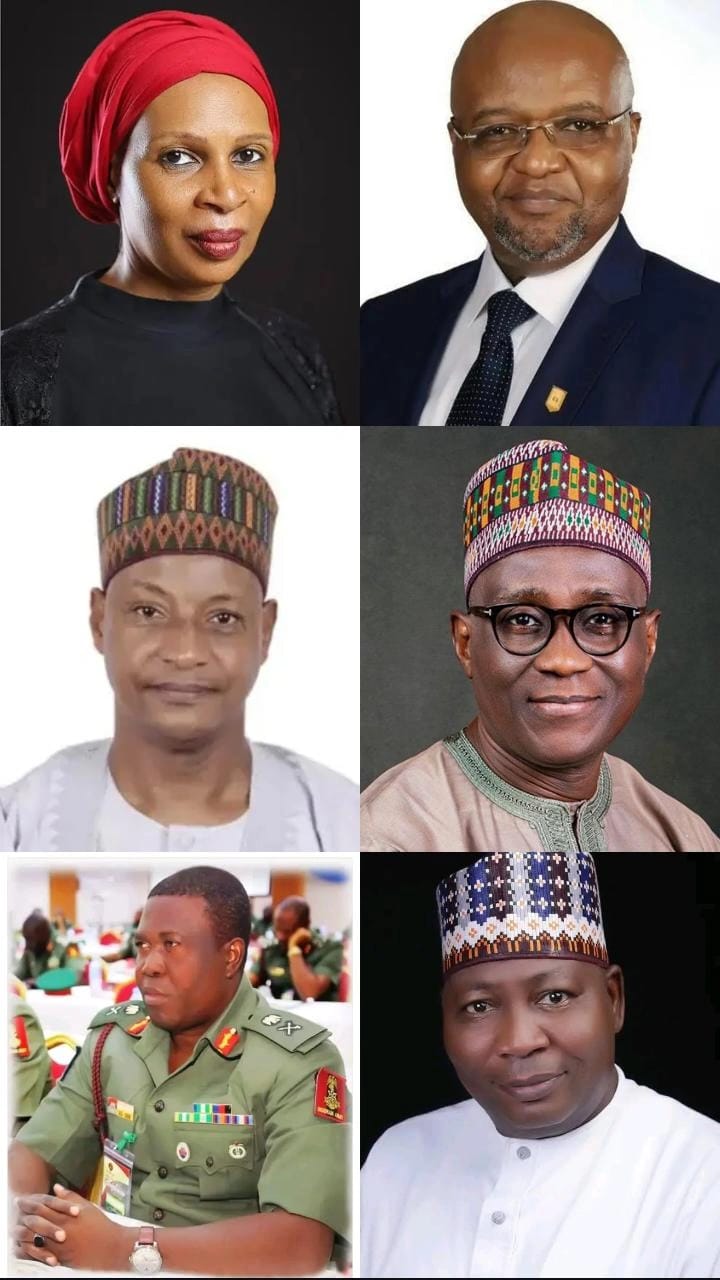
Major General E.G. Ode (rtd) warned that inconsistent labelling of violent acts across Nigeria undermines intelligence gathering and weakens operations.
He noted that similar patterns of violence are often described differently depending on region, creating confusion and alienating communities whose cooperation is vital.
Ode cautioned that colonial-era classifications and oversimplified ethnic or religious interpretations of violence distort operational decisions and erode public trust.
Brigadier General Sani Usman (rtd) and former Director of Army Public Relations, highlighted the role of language and media narratives in shaping public perception.
He warned that certain expressions, including coded “dog whistles,” can normalize discrimination and indirectly legitimize ethnic profiling.
Usman stressed that focusing on criminal behavior rather than ethnicity improves community cooperation and enhances the legitimacy of security operations.
On his part, Ambassador Usman Sarki drew attention to how insecurity in Nigeria is increasingly framed internationally as a religious or ethnic issue, warning that such narratives fuel grievances and attract hardline foreign responses.
He rejected broad claims linking violence to specific ethnic groups, noting that communities often labeled as responsible for insurgency have themselves suffered the greatest destruction and displacement.
Dr. Fatima Akilu emphasized the human cost of identity-based narratives, arguing that conflating violence with ethnicity reduces diverse communities to single risk categories and ignores structural drivers such as inequality and governance failures.
Professor Okey Ikechukwu called for careful examination of conflict terminology, warning that mislabeling disputes can lead to flawed solutions that fail to address root causes.
Other contributors, including George Iyua’aa, Jamila Suleiman, Nnamdi Obasi, and Ibrahim Usman, warned that stereotyping fuels resentment, encourages self-defence armament, and allows harmful narratives to persist if left unchallenged.
In his closing remarks, Brigadier General Saleh Bala (rtd.), founder of WISER, said the discussions would inform a broader national conference aimed at developing practical tools and frameworks to counter stereotyping, strengthen security operations, and rebuild community trust across Nigeria and the wider West African region.