
By Esther Oseyiomon
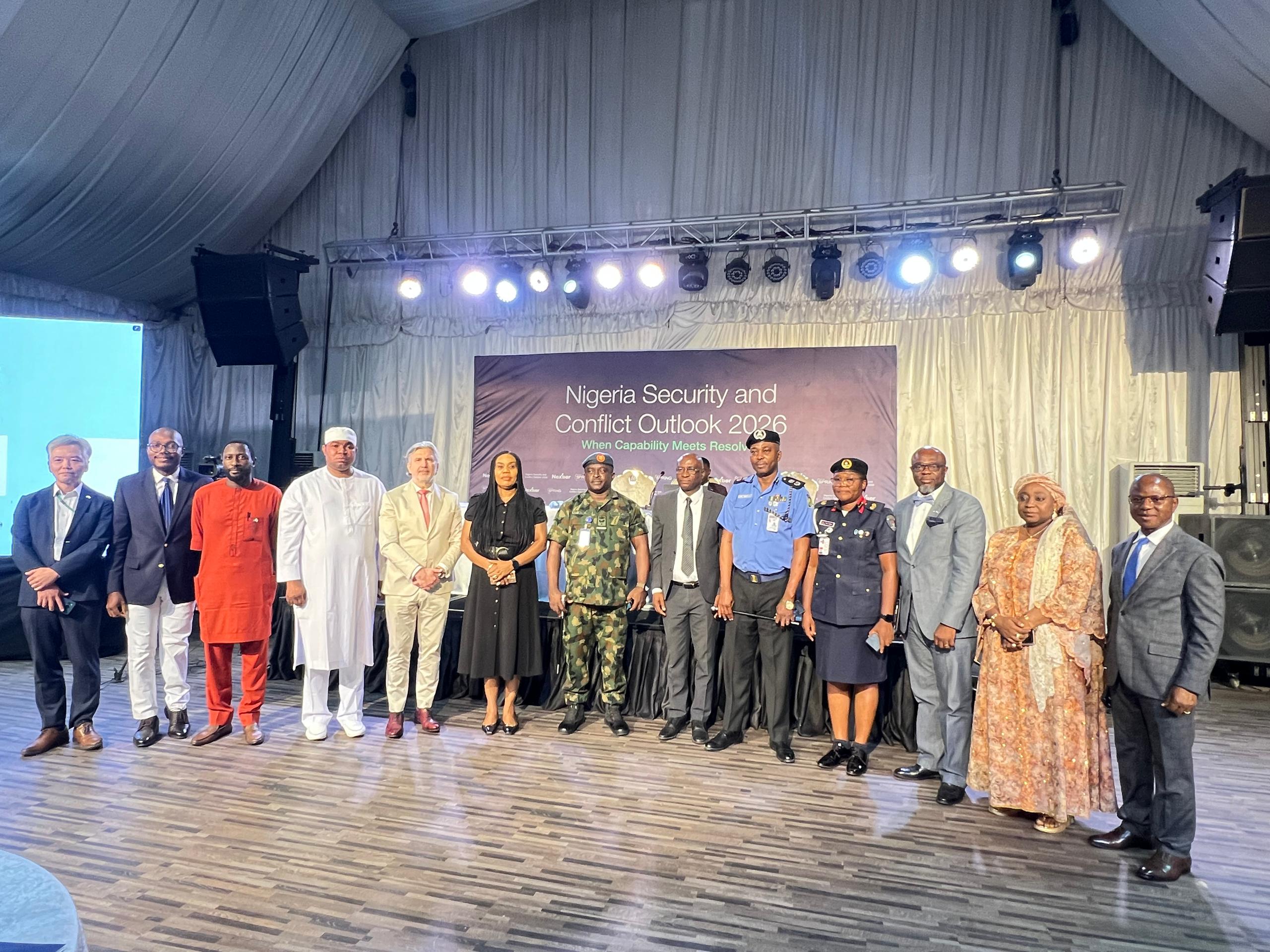
Stakeholders across the security, diplomatic and development sectors have called for stronger data credibility, intelligence coordination and institutional resolve to address Nigeria’s worsening security landscape.
The call was made in Abuja during the launch of the Nigeria Security and Conflict Outlook 2026, where policy actors and security agencies reviewed emerging conflict trends.
Participants stressed that improving the quality and application of conflict data is essential to strengthening national security response mechanisms.
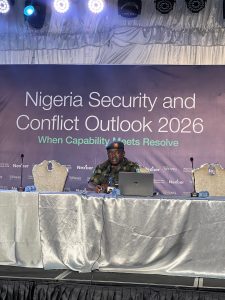
Representing the Chief of the Air Staff, Air Marshal Kelvin Aneke, Air Commodore Ademola Adejimi said lasting peace requires collective national resolve backed by credible research and coordination.
He noted that while the military can win battles, sustainable security depends on informed policy decisions and public awareness supported by reliable data.
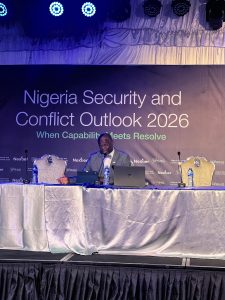
Chief Executive Officer of Nextier, Dr. Ndubuisi Nwokolo, said Nigeria’s challenge lies not in the absence of conflict data but in its credibility, accessibility and use in decision-making.
He explained that the Nigerian Violent Conflict Database was created to improve transparency, methodology and evidence-based analysis in tracking insecurity trends.
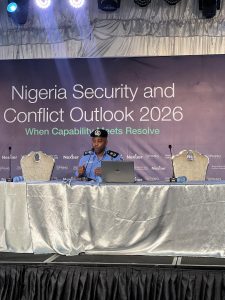
Delivering a keynote on behalf of the Deputy Inspector-General of Police, DIG Basil Idegwu, CP Edwin Ogbeghagha said security threats are complex and require intelligence-led policing and inter-agency collaboration.
He added that the Nigeria Police Force is strengthening crime mapping, data-driven policing and community engagement to enhance public trust.
Other speakers, including representatives of the Nigeria Security and Civil Defence Corps and the SPRiNG Programme, agreed that bridging the gap between state capacity and citizens’ lived experiences of safety is vital to restoring confidence and achieving sustainable peace.