
Chidinma Iroegbu
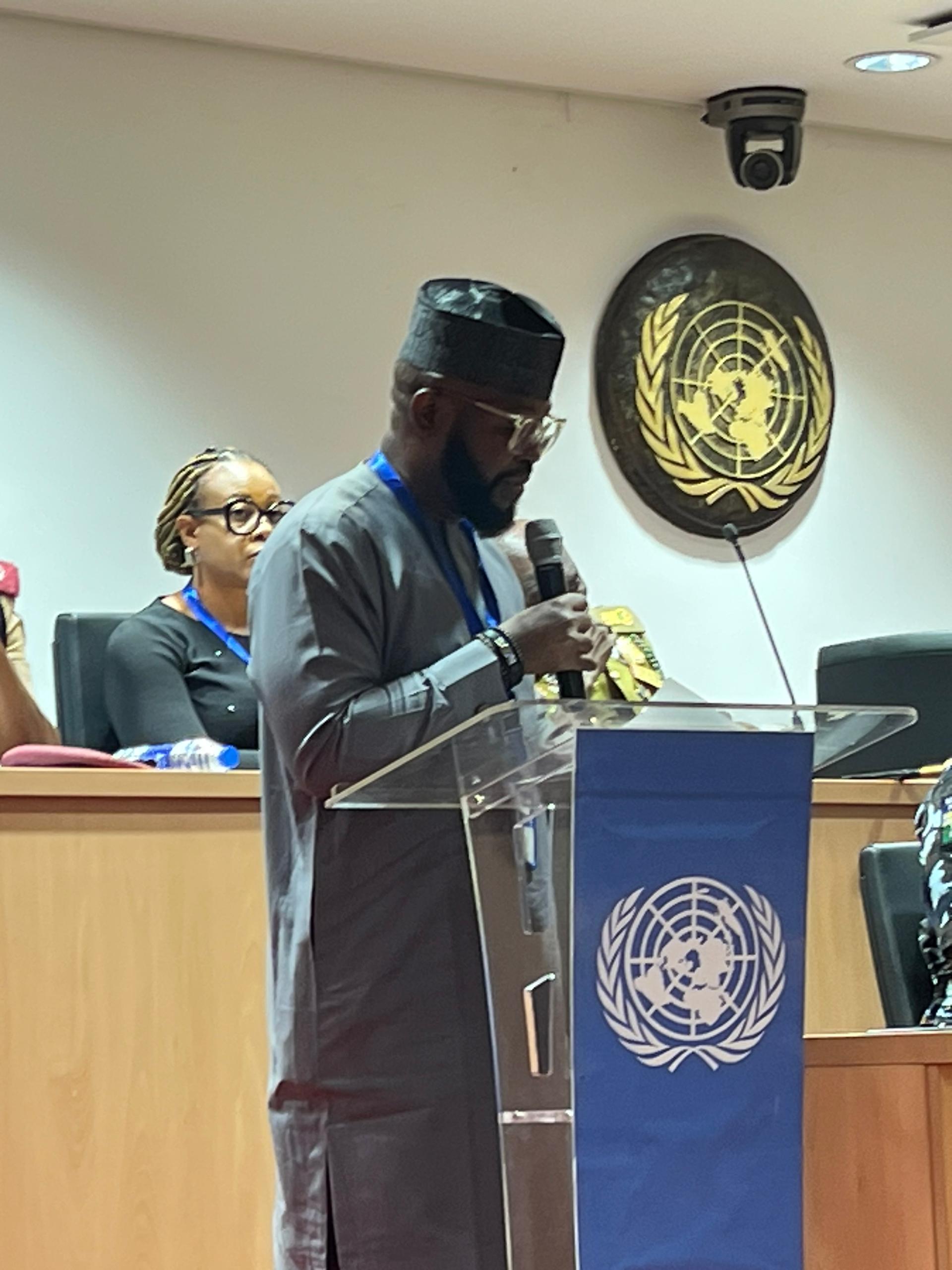
In Abuja on Monday, the National University Student Drug Advocacy Club (NU-SDAC) was inaugurated to address rising drug abuse among students in Nigerian tertiary institutions through student-led action and multi-stakeholder collaboration.
Tochukwu Victoria Nwanne, CEO of Haven of Victory Development Foundation (HOVI), said the initiative will deploy a tech platform for anonymous reporting, counseling, and peer engagement, starting with universities in Abuja. “Students will take the lead in driving prevention through this platform,” she said.
Dankolo Shehu Mohammed, Assistant Commander General of Narcotics, NDLEA, representing Brig. Gen. Mohamed Buba Marwa (Rtd), cited cases of students dropping out, engaging in crime, and prostitution due to drug use. “Drugs are destroying the foundation of young Nigerians,” he said.
Corps Commander A.U. Etuchere called for stronger law enforcement collaboration to secure campuses, while Hon. Mukail Olamilekan Aileru, Special Assistant to the Kwara State Governor on Drug Abuse Prevention and Control, said the state has introduced mandatory drug testing for students. “The policy is for early detection and support, not punishment,” he said.
Professor Freedom Onuoha said drug abuse poses a national security risk, linking it to crime, violence, and road accidents, and called for structured, student-focused prevention policies.
Dr. Joy Chinenye said 40–50% of tertiary students use drugs and stressed that existing policy focuses on prevention, early detection, and rehabilitation. “Punitive measures alone will not solve the problem,” she said.
Onoja Daniel of the FCT Command, Nigerian Police Force, identified peer pressure as a key factor in drug use. “Sometimes your friends choose you, and that can negatively affect you,” he said.
Dr. Okafor Henry Ikenna said effective response requires active involvement of NUC, NBTE, vice-chancellors, and university management in policy enforcement.
Samuel Clement Akorokpor proposed awareness campaigns, vocational support, student engagement, and institution-based interventions as key response strategies.
Senator Iroegbu called for coordinated action across families, schools, and security agencies to achieve a 40–60% reduction in drug use, while Dr. Chioma Bukola Agbelusi stressed early intervention at the secondary school level.