
Joseph Chibu
The Nigerian Army has commenced a four day sensitisation seminar on digital transformation, the smart soldier concept, post traumatic stress disorder management and drug and substance abuse at the Nigerian Armed Forces Resettlement Centre, Oshodi, Lagos.
The seminar, organised by the Department of Army Transformation and Innovation, is holding from August 18 to 21, 2026, at Buhari Hall, NAFRC, with participants drawn from formations, establishments and units within the 81 Division Area of Responsibility.
Declaring the seminar open on Thursday, the Chief of Army Staff, Lieutenant General Waidi Shaibu, represented by the General Officer Commanding 81 Division, Major General Adebayo Abdulrahman Babalola, said the initiative was designed to strengthen the Nigerian Army’s technological capacity and psychological resilience.
Shaibu said the rapidly changing security environment required deliberate investment in digital transformation, human capital development and the psychological wellbeing of troops.
According to him, the seminar was timely because contemporary military operations were increasingly influenced by asymmetric threats, including terrorism, insurgency, militancy, banditry, piracy and the proliferation of small arms and light weapons.
He said the Nigerian Army must continuously adapt its doctrine, training, command systems and leadership to remain effective in an operational environment shaped by rapid technological advancement and emerging cyber threats.
The COAS noted that contemporary warfare had also witnessed the increasing application of autonomous weapon systems and other advanced technologies, making digital proficiency an essential component of military effectiveness.
He said the Army’s digital transformation agenda was aimed at improving planning, command and control, intelligence gathering, logistics, administration and overall operational efficiency.
Shaibu, however, stressed that technology could not replace the human dimension of military operations, noting that soldiers remained the Army’s most critical combat capability.
He said the Army’s “Soldiers First” culture placed the welfare and wellbeing of personnel at the centre of its transformation efforts, particularly those who had been exposed to prolonged and traumatic combat operations.
The COAS said repeated participation in counter terrorism, counter insurgency and anti banditry operations could expose troops to significant psychological pressures, with some personnel developing varying degrees of post traumatic stress disorder.
He therefore urged participants to deepen their understanding of early recognition, intervention and management of post traumatic stress disorder, while creating supportive environments for affected personnel.
Shaibu also described drug and substance abuse as a serious threat to military discipline, operational effectiveness and force readiness, urging participants to promote greater awareness and prevention across their formations.
He charged participants to take the lessons from the seminar back to their respective formations, establishments and units and translate them into practical measures capable of improving professional conduct and operational effectiveness.
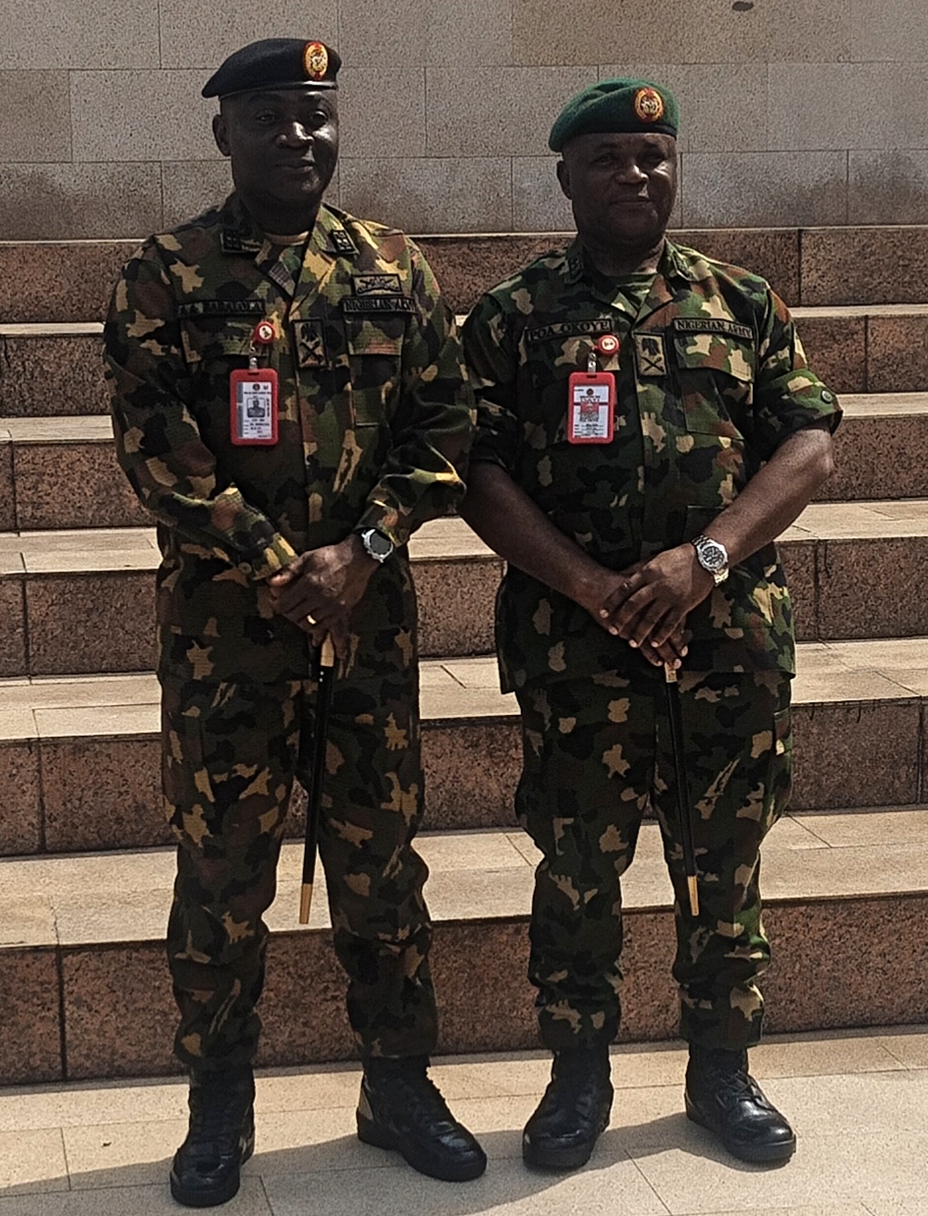
Earlier, the Chief of Army Transformation and Innovation, Major General Peter Okoye, said the seminar was part of efforts to advance the COAS’s vision of building a more professional, adaptable, combat ready and resilient Nigerian Army.
Okoye said the programme was designed to identify and address challenges affecting personnel, particularly post traumatic stress disorder and drug and substance abuse, which could undermine discipline, cohesion and operational effectiveness.
He said the initiative was not limited to the Nigerian Army, explaining that similar efforts were being undertaken across the Nigerian Armed Forces as part of a broader drive to produce more professional military personnel.
Okoye disclosed that about 560 participants were expected at the seminar, which brings together personnel and resource persons to examine emerging issues affecting military operations and personnel wellbeing.
Also speaking, Babalola said the seminar was anchored on the “Soldier First” concept and focused on ensuring that personnel remained relevant to the transformation and innovation taking place within the Nigerian Army.
He said the Army had conducted numerous operations which exposed personnel to difficult experiences, making psychological support and substance abuse prevention important elements of building resilient and adaptable soldiers.
Babalola said attention to the welfare of soldiers, both during and after operations, remained an important intangible enabler of professional military performance.
He added that ensuring the psychological wellbeing of personnel would strengthen their resilience, adaptability and commitment while reinforcing the Nigerian Army’s capacity to effectively discharge its constitutional responsibilities.