
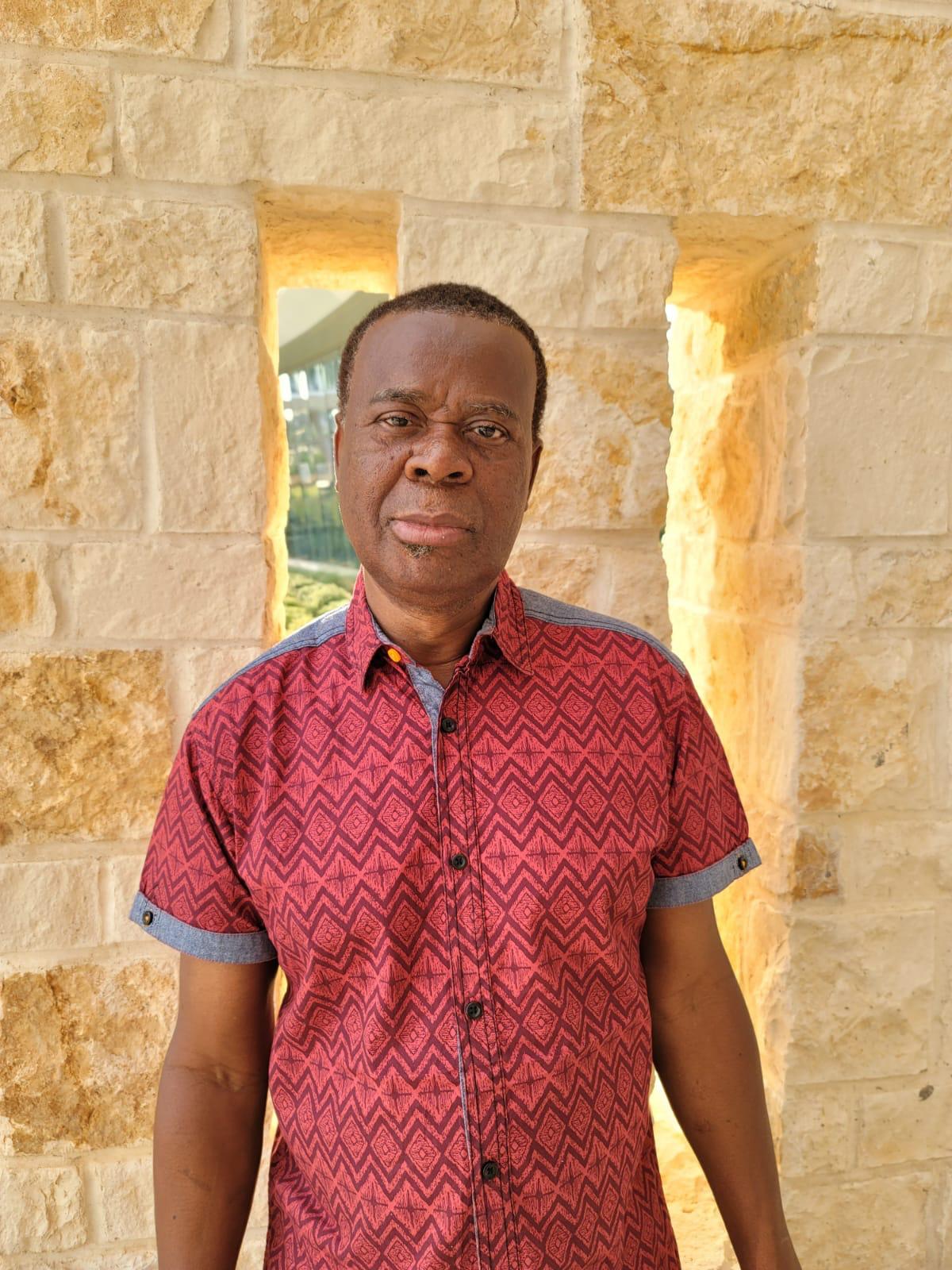
Texas USA
A society that discourages open debate on social and political issues risks producing passive conformity instead of genuine awareness. This is why Nigeria needs a credible, open, and substantive presidential debate ahead of every general election.
How can Nigerians make informed decisions about who should govern them if presidential candidates are unwilling to publicly explain, defend, and debate their policies?
The presidency is not a family inheritance, a tribal entitlement, a religious position, or a reward for political loyalty. It is a public responsibility that demands competence, vision, integrity, accountability, and a clear understanding of the problems facing the nation.
A presidential debate provides Nigerians with an opportunity to assess these qualities before entrusting a candidate with the enormous responsibility of governing the country.
1. A presidential debate promotes political awareness
As Nigerians, we must move beyond voting simply because a candidate comes from our ethnic group, shares our religious beliefs, belongs to our political party, or has distributed money and other inducements.
Citizens must learn to ask fundamental questions: What are the candidate’s plans for the economy? How will the government address insecurity, unemployment, inflation, electricity shortages, poor education, inadequate healthcare, and widespread poverty?
A debate allows citizens to hear the answers directly from those seeking their votes. It also encourages people to compare promises with practical solutions rather than accept campaign slogans as evidence of competence.
2. Debate challenges blind loyalty and political conformity
When citizens are unwilling to question their preferred candidates, democracy becomes vulnerable to personality worship and unquestioning political loyalty.
A candidate should not be above scrutiny simply because millions of people support them. Neither should criticism of a candidate be interpreted as hatred for their ethnic group, religion, or political party.
Loyalty to Nigeria must be greater than loyalty to any individual politician.
We should be able to challenge our preferred candidates, acknowledge their weaknesses, and reconsider our positions when credible evidence demands it. That is not disloyalty; it is responsible citizenship.
3. Candidates must demonstrate their understanding of Nigeria’s problems
Campaign promises are easy to make. Explaining how to fulfil them is a different matter.
A serious presidential debate should require candidates to explain how they intend to finance their programmes, create productive employment, improve electricity supply, strengthen national security, reform education, develop agriculture, and promote industrialisation.
They should also explain the expected costs, implementation timelines, potential obstacles, and measurable results of their proposed policies.
Nigerians deserve more than promises that sound attractive during campaigns but become difficult to recognise after elections.
4. A debate encourages accountability before power is transferred
A presidential candidate who publicly commits to specific policies creates a record against which citizens can measure subsequent performance.
This record becomes a reference point for journalists, civil society organisations, opposition parties, and ordinary Nigerians seeking answers about promises that have not been fulfilled.
Although a debate cannot guarantee good governance, it can help establish clearer expectations and make it harder for political leaders to escape scrutiny.
5. Refusing to debate deprives voters of an important opportunity
Nigeria has experienced presidential campaigns in which prominent candidates did not participate in major debates. During the 2023 election cycle, for example, some prominent candidates were absent from prominent televised debates and town halls. These episodes highlighted the difficulty of making meaningful comparisons when leading contenders do not appear on the same platform.
Debate participation alone does not prove that a candidate is competent, and absence does not automatically prove incompetence. Nevertheless, Nigerians have a legitimate interest in asking why candidates seeking the highest office in the country would decline opportunities to explain their policies directly to the electorate. <Cite refs={[“turn130344search14”,“turn130344search2”]}/>
A presidential debate should be treated as a fundamental democratic responsibility, not merely an optional campaign event.
6. Debate helps Nigeria move beyond ethnic and religious politics
Nigeria’s diversity should be a source of strength, not an excuse to avoid examining the quality of leadership.
When candidates are judged mainly by their ethnic origins, religion, political connections, or regional popularity, important questions about national development can be pushed aside.
A well-organised debate can redirect public attention towards the issues that affect Nigerians across regional and religious boundaries: security, jobs, education, healthcare, infrastructure, economic opportunity, and the responsible management of public resources.
Our national future depends on our ability to evaluate candidates by their ideas, records, plans, and willingness to be held accountable.
7. A mature democracy must accommodate disagreement
Healthy debate does not mean that everyone must agree, nor does it mean that the most eloquent speaker is necessarily the best candidate.
A persuasive speaker may lack practical solutions, while a less polished speaker may have sound policies. Therefore, debates must be structured around evidence, policy details, credible questioning, and opportunities for candidates to respond to criticism.
The purpose is not to crown the best performer on television. It is to give voters better information with which to make their own decisions.
WHAT SHOULD NIGERIA DO?
Nigeria should develop a credible and transparent framework for presidential debates that gives eligible candidates a fair opportunity to participate.
Independent moderators should ask questions drawn from the concerns of ordinary citizens. Candidates should be challenged to explain their policies, respond to opposing arguments, and clarify inconsistencies. The media should fact-check important claims, while the public should have access to recordings and reliable summaries.
Debate organisers should also work towards broad public access through television, radio, online platforms, and other accessible channels.
Most importantly, political parties, civil society organisations, the media, and citizens should work towards making substantive debate a normal expectation of presidential campaigns.
CONCLUSION: NIGERIANS MUST LEARN TO QUESTION BEFORE THEY VOTE
A country cannot develop a politically conscious population by discouraging questions and rewarding unquestioning loyalty.
True political awareness is developed when citizens investigate claims, challenge assumptions, compare alternatives, and demand evidence. It grows when people understand that supporting a candidate does not mean surrendering their right to think independently.
Nigeria does not merely need elections; it needs an electorate that understands the issues, examines the candidates, and recognises the responsibilities attached to the presidential office.
The presidency is too important to be decided by slogans, sentiment, ethnic loyalty, religious affiliation, or political propaganda alone.
Let every presidential candidate come forward, explain their vision, defend their policies, answer difficult questions, and demonstrate their preparedness to lead.
Let Nigerians listen, question, compare, and decide for themselves.
A presidential debate is not simply a contest between politicians. It is an opportunity for the Nigerian people to exercise their democratic right to question those who seek the authority to govern them.
A nation that learns to question its leaders is better equipped to hold them accountable. And a people who can think independently are less likely to surrender their future to blind political conformity.