
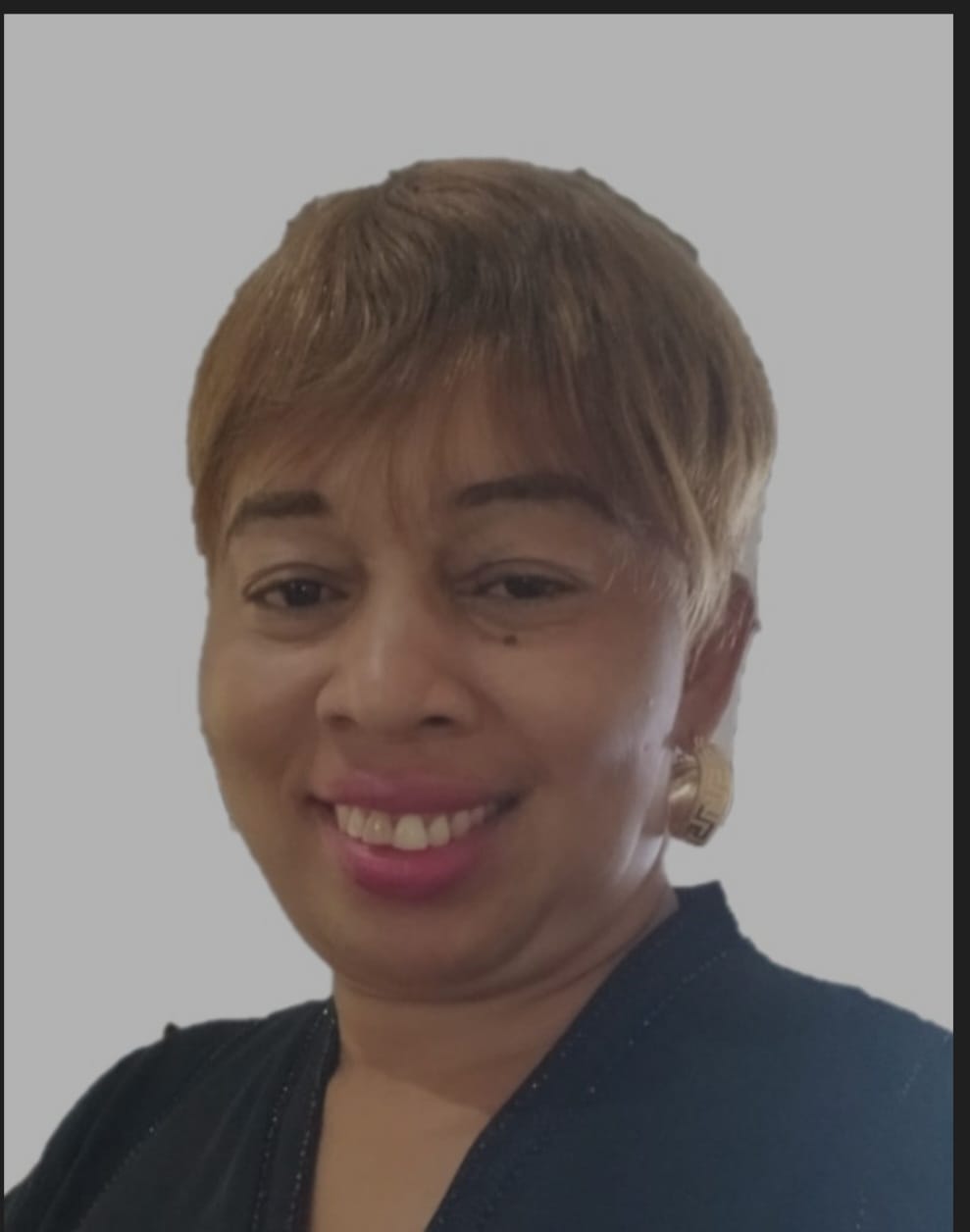
Chidinma Iroegbu
The African Centre for Security, Governance and Development (CentreSGD) has urged African governments to dismantle institutional barriers preventing women from participating in peace negotiations and security leadership, warning that their exclusion threatens lasting peace across the continent.
The organisation made the call in a statement marking the 26th anniversary of United Nations Security Council Resolution 1325, adopted on October 31, 2000, to promote women’s participation in peace and security governance.
It noted that the resolution rests on four pillars: women’s participation in decision-making, protection from conflict-related violence, prevention of conflicts through gender-sensitive strategies, and support for women during relief and post-conflict recovery.
Despite progress through National Action Plans, women-mediator networks and regional inclusion programmes, the organisation expressed concern over their limited representation in peace negotiations.
According to the UN Secretary-General’s 2025 report on Women, Peace and Security, 87 per cent of peace talks in 2024 had no female negotiator, while women accounted for only seven per cent of negotiators globally.
CentreSGD attributed the disparity to patriarchal practices, unequal power relations and institutional barriers within security and diplomatic structures, which continue to restrict women’s access to decision-making positions.
It urged national governments, ECOWAS and the African Union to guarantee equal representation for women in peace negotiations and mediation teams, while providing adequate funding and monitoring frameworks for National and State Action Plans.
The organisation also called for gender-sensitive reforms in the police, military and intelligence services to improve women’s career progression into senior leadership positions.
It further urged governments to protect women human rights defenders, mediators and peacebuilders working in conflict-affected communities, particularly as Africa faces insurgency, violent extremism, election-related tensions and political instability.
CentreSGD stressed that “Peace agreements that ignore half the population cannot hold,” insisting that women’s inclusion is essential to sustainable peace and security in Nigeria and across Africa.