
Esther Oseyiomon
The TY Danjuma Foundation and stakeholders in Nigeria’s philanthropic and civil society sectors have called for stronger domestic giving, improved regulatory frameworks and greater accountability, urging the establishment of a Nigerian Philanthropy Forum to coordinate local giving and strengthen the country’s development financing.
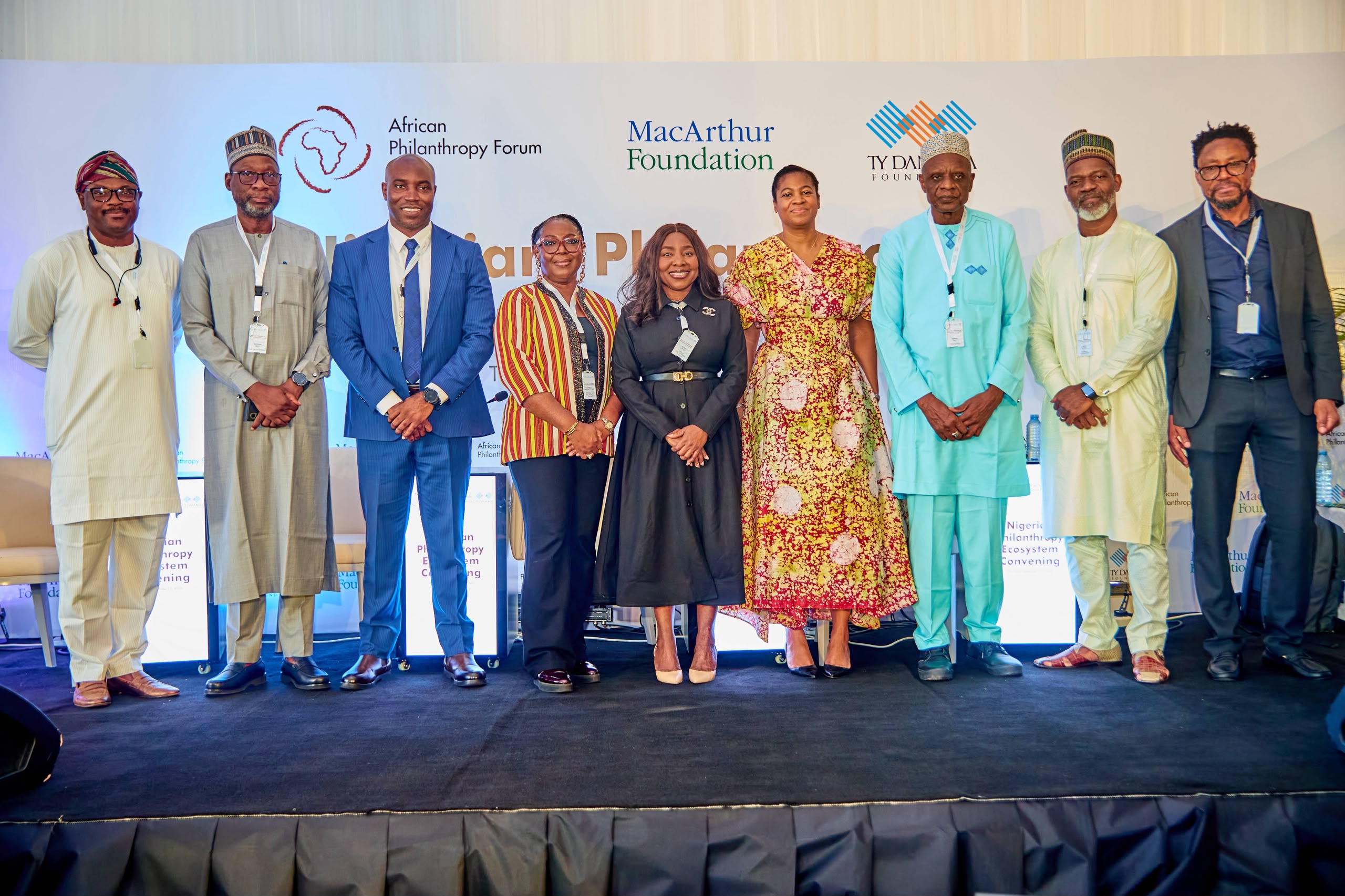
The call was made at an ecosystem convening organised by the TY Danjuma Foundation in partnership with the African Philanthropy Forum (APF) and other development partners to examine ways of mobilising domestic resources, promoting structured philanthropy and building public trust in charitable institutions.
Chairman of the Board of Trustees of the TY Danjuma Foundation, Mrs Hannatu Gentles, said the initiative was part of a broader effort to encourage homegrown giving and establish a more coordinated approach to deploying private resources towards addressing Nigeria’s development challenges.
Gentles noted that although Nigerians had a longstanding culture of generosity, much of their giving remained informal, stressing that structured philanthropy could deliver more targeted and sustainable development outcomes if properly supported.
She disclosed that the Foundation had commissioned research into structured giving in Nigeria and global best practices in regulating philanthropy to identify gaps and recommend policies that would build trust and create an enabling environment for charitable organisations.
Executive Director of the Nigeria Network of NGOs, Oluseyi Oyebisi, presenting findings from the mapping exercise, said Nigeria’s generosity was never in doubt, but the country needed the institutional infrastructure and reliable data to translate that generosity into measurable development impact.
He explained that the research sought to develop a comprehensive database of non-profit organisations and philanthropic funding in Nigeria, noting that the exercise had become particularly important amid declining international development assistance.
Oyebisi disclosed that Nigeria experienced a 10 per cent decline in aid volume and outcomes, while 79 per cent of the country’s development assistance in 2024 came from donors that had subsequently announced funding cuts.
He said the findings highlighted the urgency of mobilising domestic resources to bridge the emerging funding gap, particularly as vulnerable communities continued to depend on international support for essential development and humanitarian interventions.
The study tracked approximately ₦373 billion in Host Community Development Trust funding across more than 536 projects. However, Oyebisi identified financial disclosure as a major challenge, revealing that only 1.3 per cent of the organisations captured in the database provided information on their corporate social responsibility expenditure.
He also pointed to regulatory fragmentation, overlapping institutional requirements and weak confidence in financial disclosure as constraints affecting the sector, calling for better coordination and credible data to strengthen accountability.
Speaking on the need to modernise Nigeria’s philanthropic ecosystem, Executive Director of the African Philanthropy Forum, Mosun Layode, advocated the establishment of an independent Nigerian Philanthropy Forum, stressing that the responsibility for building the institution must rest with Nigerian stakeholders rather than APF alone.
Layode said although APF was willing to provide technical support, resources, time and pro bono assistance towards establishing the proposed platform, its sustainability would depend on the commitment and financial contributions of Nigerian donors and foundations.
She emphasised that the proposed forum must be properly registered, structured and independently managed rather than operating as an informal gathering of organisations.
According to her, the next stage should involve stakeholders identifying credible leadership and mobilising the initial resources needed to establish the institution, with the long-term goal of having its own office and becoming financially sustainable.
Layode explained that APF was established as a continental institution and could not permanently serve as a substitute for a national philanthropic platform, noting that its leadership would eventually change.
She cited TrustAfrica as an example of an institution that had grown beyond its initial support from the Ford Foundation, urging Nigerian donors to invest in building a platform that future generations would be proud to have established.
Also speaking, Dr Ebrima Sall presented findings from a comparative study of philanthropic systems in the United States, the United Kingdom and South Africa, identifying lessons Nigeria could adopt to strengthen its legal, institutional and regulatory frameworks.
He highlighted the importance of clear legislation, effective collaboration, institutional capacity and accessible accountability mechanisms, citing the United Kingdom’s Charity Commission as an example of how public information can help donors assess charitable organisations before making contributions.
Similarly, Co-founder of IdeaPlus Consultant, Dayo Olaide, called for stronger government engagement with foundations and civil society organisations, arguing that philanthropic institutions possessed significant resources and influence that could contribute to national development.
He advocated a proposed $300 million accelerator fund over three years to support efforts towards addressing neglected tropical diseases, while also raising concerns about the impact of taxation, particularly building taxes, on non-profit organisations.
In her closing remarks, Gentles reaffirmed the TY Danjuma Foundation’s commitment to promoting philanthropy in Nigeria, stressing that stronger coordination and an enabling environment were necessary to make giving more strategic and impactful.
Quoting the Foundation’s founder and Chairman Emeritus, she said, “No one is too poor to give,” noting that contributions could come in the form of money, assets, time, intellect and other resources capable of advancing society.
The stakeholders agreed that building a stronger philanthropic sector would require more than goodwill, emphasising the need for sustainable institutions, domestic financial commitment, transparency and collective responsibility.