
Esther Oseyiomon
The Defence Headquarters (DHQ) and the Defence Correspondents Association of Nigeria (D-CAN) have been urged to establish a formal communication framework that guarantees timely access to verified information, strengthens professional accountability and safeguards operational security in the country’s fight against insecurity.
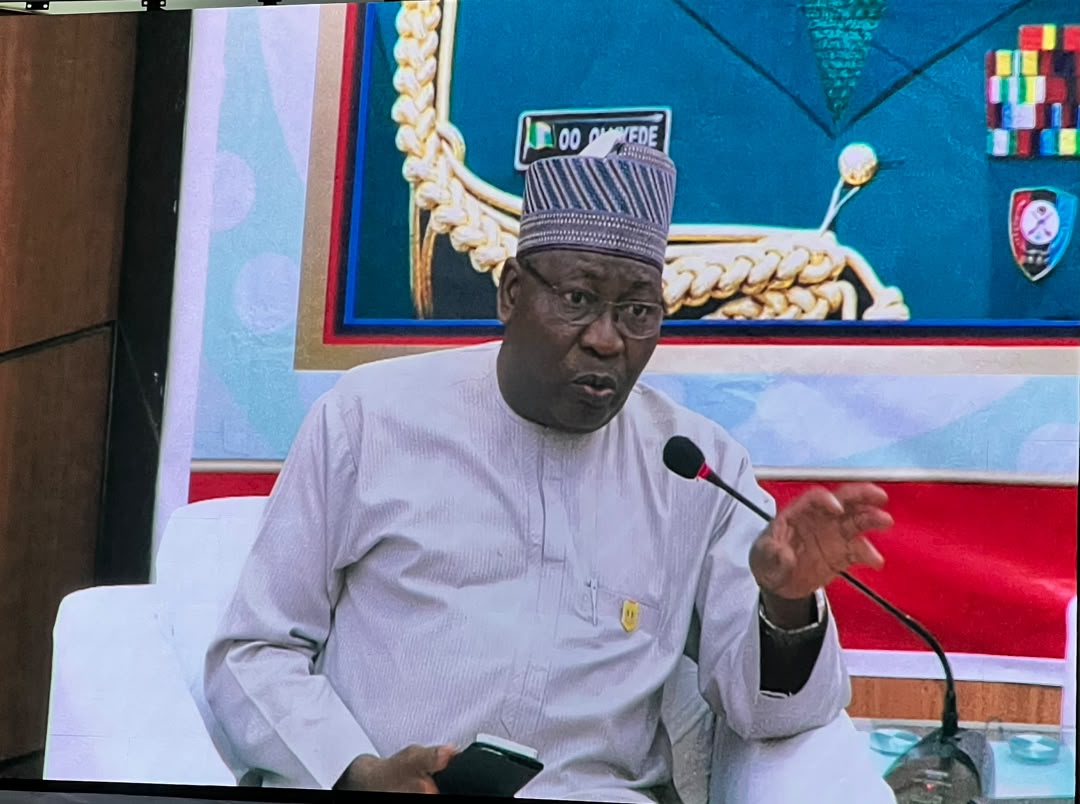
Retired Brigadier General Sani Kukasheka Usman, former Director of Army Public Relations, said the relationship between defence institutions and journalists must move beyond informal engagements to a structured system supported by clear policies, defined responsibilities and regular assessments.
Usman, currently the Consultant Director, Corporate Affairs and Information Services, Nigerian Army Resource Centre, Abuja, said the absence of coordinated communication procedures could result in conflicting statements, delayed responses and the circulation of incomplete information, potentially weakening public confidence in security institutions.
He argued that effective military-media cooperation should be recognised as an important component of national security, particularly as the information environment has become a critical theatre in contemporary conflicts. According to him, hostile groups increasingly exploit rumours, manipulated images and misleading reports to distort military operations, influence public perception and undermine confidence in government institutions.
He said the Armed Forces must therefore strengthen their public communication systems to ensure that verified information reaches citizens promptly, especially during security incidents and military operations. He cautioned that denying incidents that have occurred could damage institutional credibility, urging spokespersons to acknowledge developments, explain what is being done and provide updates as investigations progress.
The retired general, however, emphasised that improved access to information must be balanced with operational security. He said defence authorities should establish clear procedures for determining what information can be released, when it should be made public and what details must remain protected to avoid exposing personnel, military capabilities or ongoing operations.
He also stressed that the policy framework must preserve the independence of journalists. Defence correspondents, he said, have a responsibility to verify official claims, investigate discrepancies and report matters of public interest, while avoiding unsubstantiated allegations and reckless disclosure of sensitive operational details.
Usman maintained that cooperation should not be interpreted as an obligation to provide favourable coverage or shield military personnel from legitimate scrutiny. Recalling his experience working with journalists, he said professional engagement must allow correspondents to perform their duties without pressure to alter editorial decisions.
To translate the proposed framework into practice, he recommended that DHQ streamline existing media engagement structures, eliminate duplication and establish direct, coordinated channels for communication with defence correspondents.
He further called for joint capacity-building programmes covering defence reporting, media ethics, digital verification, fact-checking and operational awareness, as well as periodic assessments to measure improvements in information accuracy, institutional responsiveness and public understanding.
Usman also proposed formal mechanisms for resolving disagreements and addressing professional concerns, stressing that the relationship should be sustained through institutional policies rather than personal friendships or the goodwill of individual officers.
He said the ultimate measure of effective military-media cooperation should be whether citizens receive accurate, timely and contextualised information, while the Armed Forces retain the ability to protect legitimate operational interests and remain accountable to the public.