
The Nigeria Customs Service has announced plans to commence paperless operations by the end of the second quarter of 2026, signalling a decisive shift toward technology-driven border management.
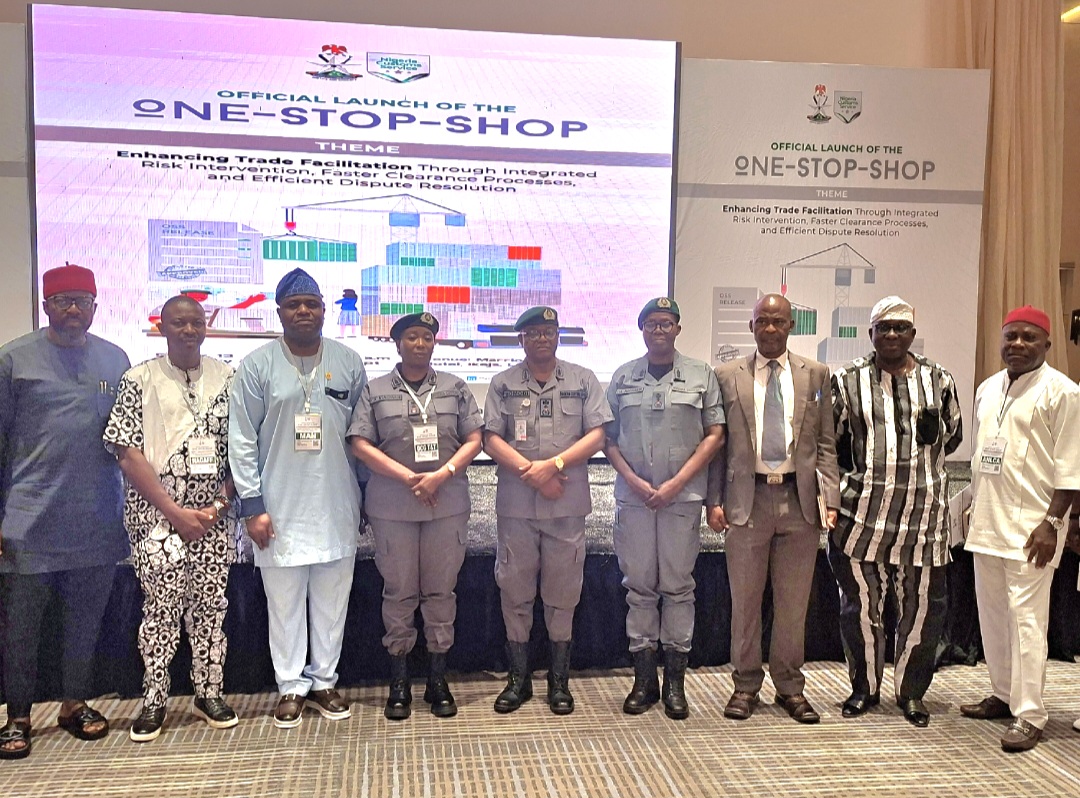
The Comptroller-General of Customs, Adewale Adeniyi, disclosed this in Lagos on Friday at the launch of the One-Stop-Shop (OSS) initiative, a platform designed to streamline cargo clearance and eliminate long-standing procedural bottlenecks.
The OSS introduces a unified operational framework that collapses valuation, processing, intelligence, enforcement, compliance monitoring and gate operations into a single, coordinated workflow, replacing fragmented checks with an integrated clearance system.
Represented at the event by the Deputy Controller of Customs in charge of Enforcement, Timi Bomodi, Adeniyi said the platform would significantly reduce physical interfaces, enhance data integrity, accelerate processing timelines and strengthen audit controls.
He explained that the first phase of the paperless transition, covering core clearance, documentation and approval processes, would be rolled out by Q2, marking a critical milestone in the service’s broader digital transformation agenda.
According to Adeniyi, the OSS also signals a reset in the relationship between Customs and the trading community, anchored on trust, transparency and predictable processes that support investment and competitiveness.
He noted that years of overlapping checks, fragmented procedures and uncoordinated interventions had increased the cost of doing business, with national assessments and time-release studies showing consignments often stuck in idle waiting despite brief physical inspections.
These challenges, he said, exposed deep structural gaps that could no longer be addressed through piecemeal reforms, underscoring the need for a coordinated, technology-enabled solution embedded within institutional processes.
Adeniyi added that the initiative aligns with Executive Order 001 and the Business Facilitation Act, promoting inter-agency collaboration, harmonised inspections and seamless information sharing under the “One Government” directive.
Stakeholders, including the Manufacturers Association of Nigeria and licensed customs agents, welcomed the initiative, expressing optimism that the OSS would reduce costs, limit human intervention and improve efficiency at Nigeria’s ports and borders.