
Chidinma Iroegbu
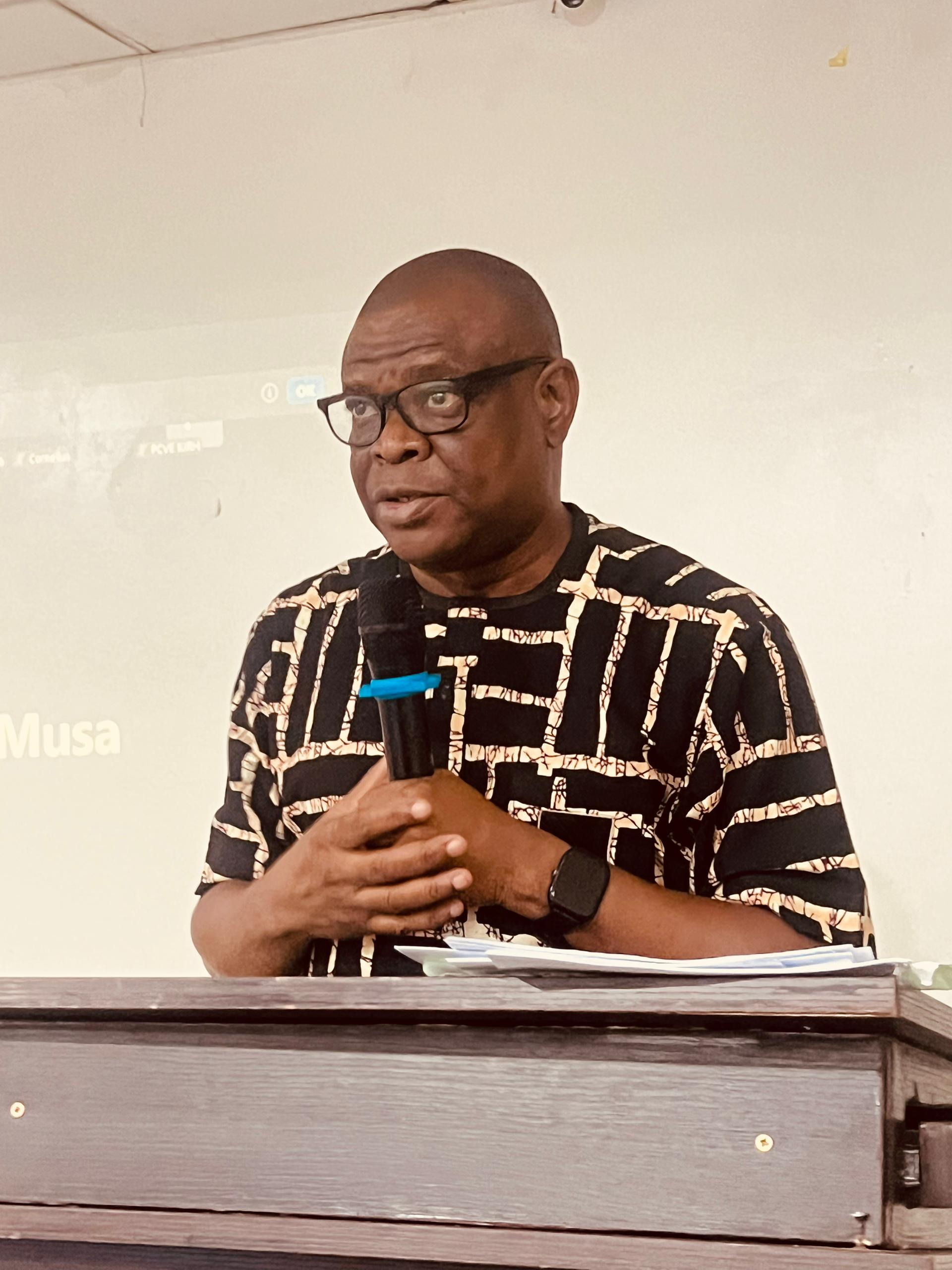
Stakeholders gathered for the “From Evidence to Action: Validating Policy Pathway for Effective PCVE Implementations” forum on Thursday in Abuja, calling for full operationalization of Nigeria’s Policy Framework and National Action Plan (PF-NAP) for Preventing and Countering Violent Extremism (PCVE) to strengthen prevention and community resilience.
The event was organized by PCVE-Knowledge, Innovation and Resource Hub (PCVE-KIRH) in collaboration with UK International Development, Spring, and Nextier, bringing together government agencies, civil society, and peace building experts to align strategies with national priorities.
Jaye Gaskia, Chair of the PAVE Network, urged practitioners to map existing interventions, identify gaps, and understand structural causes of violent extremism. He announced plans for an e-library and learning platform to curate PCVE knowledge and guide capacity-building initiatives.
Ms. Iye Mangset of the Prevent Directorate of PCVE, NCTC-ONSA emphasized bridging policy and practice, saying, “We encourage participants to focus on practicality, coordination, and sustainability as we translate policies into action.” She highlighted the importance of making policy outputs context-sensitive and actionable.
Dr. Beji Gowal of the Institute for Peace and Conflict Resolution (IPCR) said the forum aimed to translate research into actionable strategies for grassroots communities, stressing that evidence-based interventions must incorporate inclusivity and local realities.
Bernard Basason of Spring highlighted the need to leverage existing resources and avoid duplication, adding that the initiative strengthens peace structures and resilience among Nigerian communities.
Ahmed Jumare of the Neem Foundation raised concerns over rising economic pressures and reduced donor funding, urging that state and community-level budgets include allocations for PCVE interventions to ensure sustainability.
Kayode Bolaji of the Peace Building Development Commission (PBDC) stressed the importance of community-level transformation and volunteer engagement, noting, “To transform a nation, we cannot skip steps individuals, families, communities, then cities.” He called for creative approaches to support national programs.
Speakers emphasized gender and youth inclusion, encouraging women and young people to move beyond token participation to co-leadership roles. They also recommended peer mentoring, digital engagement, and localized interventions to strengthen program effectiveness.
The forum concluded with a commitment to evidence-based, inclusive, and practical interventions, ensuring Nigeria’s PF-NAP for PCVE is effectively implemented at national, state, and community levels, fostering safer and more resilient communities across the country.