
Esther Oseyiomon
Fresh concerns have emerged in parts of Taraba State as the Catholic Diocese of Wakuri warned of possible renewed attacks by suspected armed herders in several communities, particularly in Takum and Donga Local Government Areas.
In a statement dated March 25, the Diocese, through its Administrative Vicar and Chairman of the Peace Committee, Father Anthony Bature, alerted residents to intelligence suggesting imminent violence in areas including Takum, Chanchanji, and parts of Donga.
The warning followed reports linked to a circulating video by an international advocacy group, which indicated that coordinated attacks could begin from March 23. According to the Diocese, a similar attempt had already been recorded in Chanchanji between March 21 and 22 but was successfully repelled by security forces.
Despite that intervention, the Diocese expressed concern that armed groups are regrouping in several locations across Takum and along the Donga River axis, raising fears of renewed assaults on vulnerable communities.
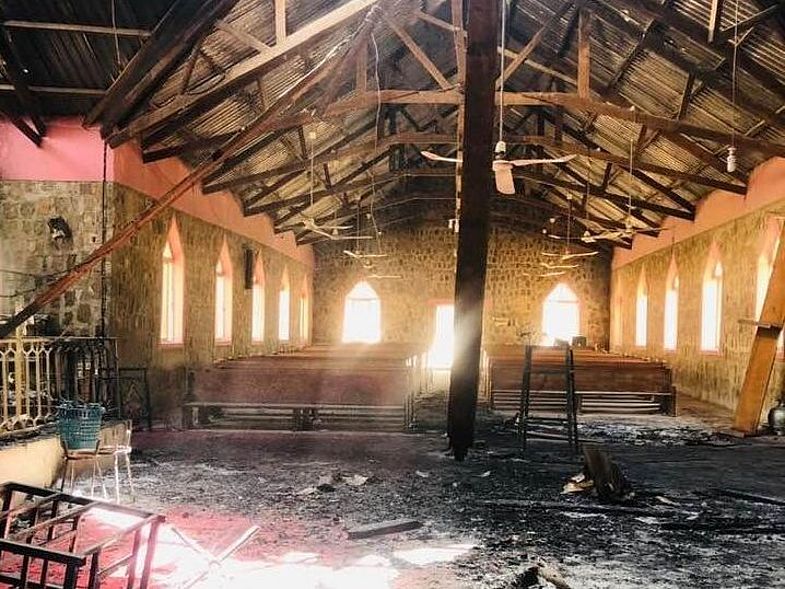
The situation has already worsened in recent days, with reports of an attack on a Catholic church in Adu, further heightening tension and uncertainty among residents.
The Bishop of Wakuri Diocese, Mark Maigida Nzukwein, has called on clergy and community leaders to intensify awareness efforts and take precautionary measures, including engaging security agencies to strengthen protection in affected areas.
The Diocese warned that the persistent insecurity has triggered widespread fear, forcing many residents to flee their homes, with families abandoning communities in search of safety amid growing uncertainty.
Earlier, Bishop Nzukwein had revealed the scale of the crisis, noting that repeated attacks in parts of Takum, Ussa, and Donga have led to significant casualties, destruction of communities and places of worship, and the displacement of tens of thousands of residents.
He further described a pattern of violence in which attackers strike in the early hours, targeting civilians, destroying homes and farmlands, and leaving survivors without means of livelihood, deepening what observers fear could become a major humanitarian crisis in the region.