
A former Senator representing Osun West, Mr. Mudashiru Hussein, has criticised the African Democratic Congress (ADC), describing the party as lacking cohesive leadership, a functional organisational framework and a clear ideological compass required for sustainable political relevance in Nigeria.
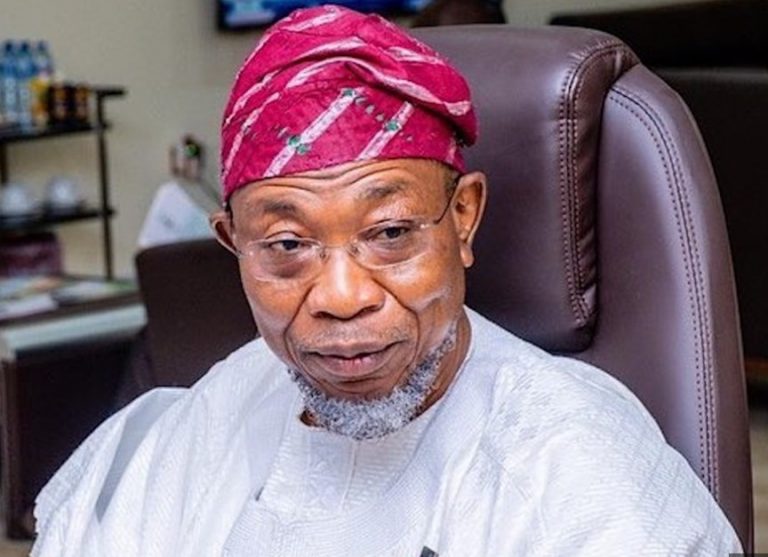
Hussein also took aim at the National Secretary of the ADC, Mr. Rauf Aregbesola, over recent remarks downplaying the impact of governors’ defections on the re-election prospects of President Bola Ahmed Tinubu and the fortunes of the All Progressives Congress (APC) in the 2027 general elections.
Aregbesola had cited the APC’s performance in Lagos State during the 2023 elections as a basis for projecting a similar national outcome in 2027. However, Hussein described the comparison as misleading and detached from the broader realities of Nigeria’s electoral politics.
In a statement issued on Monday, the former lawmaker—who previously maintained close political ties with Aregbesola in both Lagos and Osun states—argued that such assertions oversimplified the complexities of democratic contests and undermined the institutional foundations of Nigeria’s political system.
According to him, electoral success is not driven by popular sentiment alone, but by a combination of credible leadership, ideological clarity, strong party structures and sustained political organisation—attributes he said the ADC currently lacks.
Hussein maintained that Nigeria’s progressive political tradition was painstakingly built over decades through grassroots mobilisation, disciplined party organisation and policy-oriented governance, factors he noted were instrumental to electoral victories at various levels of government.
He further contended that national elections are shaped by widespread national confidence rather than isolated state-level outcomes, stressing that leadership at the centre requires vision, experience and the capacity to build broad-based political coalitions—qualities he said were reflected in President Tinubu’s political trajectory.
The former federal commissioner also underscored the strategic role of governors and key political leaders in mobilising the electorate, stabilising party systems and sustaining democratic institutions, urging political actors to refrain from revisionist narratives and instead focus on deepening democratic culture through constructive engagement and respect for institutions.