
Chidinma Iroegbu
Pressure is mounting on Nigerian lawmakers to deepen transparency in both the electoral and budgetary processes, as renewed public protests and heightened scrutiny trail recent actions of the National Assembly.
At the heart of the agitation is the ongoing harmonisation of the Electoral Act, particularly provisions on compulsory electronic transmission of election results, which civil society groups say is central to credible elections and public trust.
Demonstrations resumed yesterday in Abuja and other cities, with activists demanding women’s reserved seats and insisting that electronic transmission of results must not be weakened. Protesters warned that any dilution by the House of Representatives would amount to a rollback of electoral reforms.
The controversy intensified last week during a plenary session when the House, presided over by Tajudeen Abbas, adopted the Senate version of the bill through a voice vote. Lawmakers opposed to the decision argued that the “nays” were louder, especially on Clause 63, which mandates electronic transmission.
The ruling triggered protests on the floor, underscoring long-standing concerns about the opacity of voice voting in critical legislative decisions and its implications for accountability.
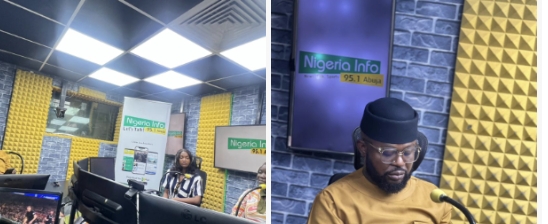
Speaking on Hard Facts on Nigeria Info 95.1 FM, security and public affairs analyst and Global Sentinel Editor-in-Chief, Senator Iroegbu, said the House rules allow flexibility in voting methods but stressed that voting records should be accessible to the public.
According to him, the inability of citizens to easily track how their representatives vote weakens democratic accountability and distances lawmakers from the electorate they claim to represent.
He urged sustained civic engagement and robust media scrutiny, arguing that public pressure remains one of the few effective tools for compelling transparency in legislative conduct.
Beyond elections, budgetary practices have also come under the spotlight. The Senate recently queried the Investment and Securities Tribunal over ₦16 million allocated to cleaning and fumigation in its 2025 budget of ₦30 million, raising questions about spending priorities.
While the tribunal defended the expenditure as quarterly maintenance across its offices, critics noted that public awareness and outreach programmes received far less attention.
Iroegbu acknowledged the necessity of maintenance costs but argued that critical sectors such as health, agriculture and public information deserve greater focus, especially amid delayed budget releases, industrial actions by health workers and rising fuel prices.
He concluded that without institutional reform, vigilant citizens and sustained media oversight, electoral and budgetary reforms would remain fragile, leaving public office in Nigeria largely insulated from meaningful scrutiny.