
Chidinma Iroegbu
The West Africa Network for Peacebuilding (WANEP) Nigeria, in partnership with the Global Network of Women Peacebuilders (GNWP), has reaffirmed its commitment to strengthening local leadership in Women, Peace and Security (WPS) and Youth, Peace and Security (YPS) in Nigeria. The initiative emphasizes the integration of youth and women in governance and peacebuilding.
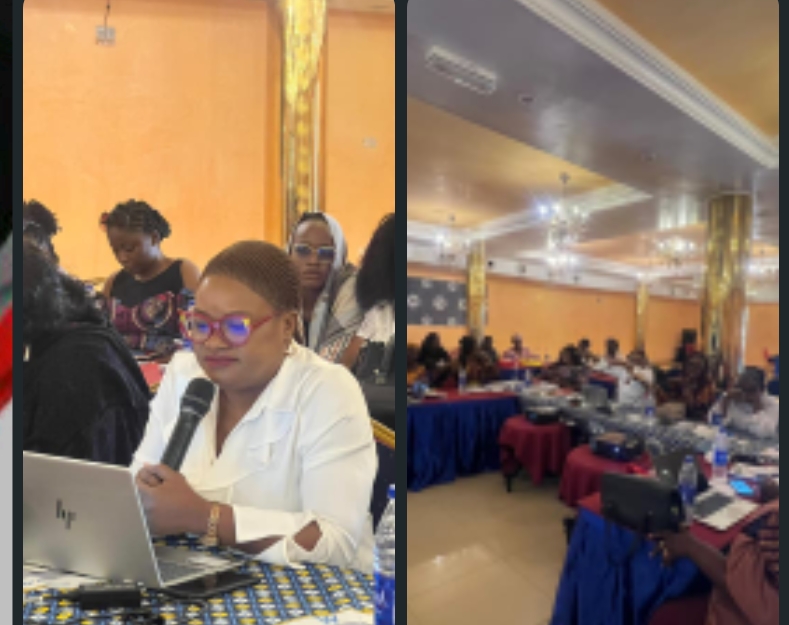
The second day of the forum, held on Wednesday, brought together women political leaders and civil society actors to discuss practical strategies for implementing WPS and YPS at community and national levels.
Dr Bridget Osakwe, WANEP National Network Coordinator, stressed that youth form a significant proportion of Nigeria’s population, noting that “where youth are empowered, engaged, and given opportunities, they become drivers of peace, innovation, and positive transformation.”
Osakwe warned that exclusion, marginalization, and unemployment make young people vulnerable to radicalization, political manipulation, and cycles of violence. She emphasized that meaningful youth participation strengthens democracy, governance, and national security.
She cited initiatives like YIAGA Africa and the Not Too Young To Run Act as examples of programs that have increased youth participation in politics. “Youth involvement goes beyond attending events it is about influencing decision-making in political, economic, and social spheres,” she said.
Security, Osakwe noted, is not merely the absence of violence but the creation of conditions where people can live, work, and express themselves freely. She added that youth involvement in community policing, early warning systems, mediation, and dialogue enhances local and national security.
The forum also explored the United Nations Security Council resolutions on youth and women in peace and security. UNSCR 1325 addresses women, while UNSCR 2250 focuses on youth, highlighting participation, protection, prevention, partnerships, and reintegration.
Amy Oyekunle, Women, Peace and Security Consultant, urged participants to actively implement WPS and YPS policies. She said, “YPS is meant to shift how youth are seen not just as victims, but as active actors in peacebuilding and governance. Let’s unmute those voices.”
Oyekunle highlighted a gap in youth and women representation, particularly young women, in governance and policy-making. “While WPS asks, ‘Where are the women?’ YPS asks, ‘Where are the young people, and what role are they playing?’” she explained.
The forum concluded with a call for integrated approaches to youth and women empowerment. Participants were encouraged to push for the implementation of policies at local and national levels, with networking and collaboration continuing both online and offline to avoid working in silos.