
Chidinma Iroegbu
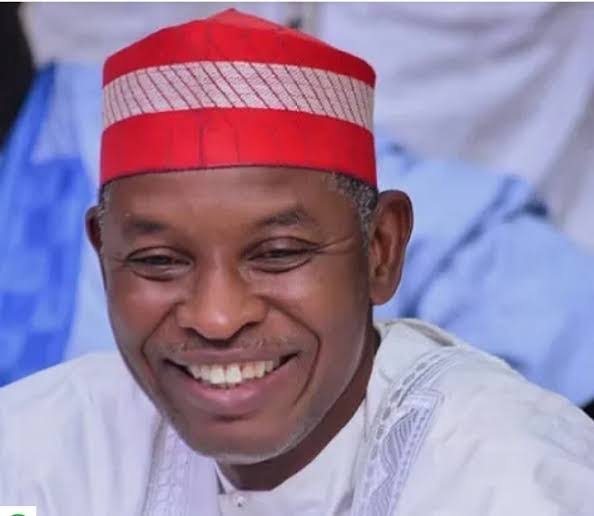
Kano State’s political firmament has been dramatically altered following the defection of Governor Abba Kabir Yusuf from the New Nigeria Peoples Party (NNPP) to the ruling All Progressives Congress (APC), a development widely regarded as one of the most far-reaching political realignments in the state’s recent history.
Yusuf, popularly known as Abba Gida-Gida and the only governor elected on the NNPP platform, formally joined the APC on January 26, 2026, bringing to an end his long-standing political association with Senator Rabiu Musa Kwankwaso, leader of the NNPP and the influential Kwankwasiyya Movement. Kwankwaso has since denounced the defection, describing it as an act of betrayal.
The development once again highlights Kano’s tradition of intense political rivalry and fluid alliances, reminiscent of past schisms among dominant political actors in both the Second and Fourth Republics, where personal and ideological disagreements often precipitated party splits and shifts in power.
Defending his decision, Governor Yusuf said his alignment with the party at the centre was driven by the need to fast-track development in Kano State. He cited prospects for improved infrastructure delivery, expanded social welfare programmes and stronger federal-state collaboration, stressing that the move was guided by the collective interest of the people rather than personal ambition.
Sources close to the development disclosed that the defection followed a series of high-level consultations, including a strategic meeting with President Bola Tinubu at the Presidential Villa. Discussions reportedly centred on governance cooperation and unsuccessful efforts to broker a reconciliation between Kwankwaso and the APC.
Yusuf’s crossover was accompanied by significant political support, with several National Assembly members, a majority of the Kano State House of Assembly legislators and all local government chairmen in the state reportedly backing the move. The scale of the defection has considerably strengthened the governor’s political standing ahead of the 2027 governorship election.
Within the APC, leading governorship aspirants, including Deputy Senate President Jibrin Barau, have stepped aside to endorse Yusuf’s re-election bid. Party leaders say the gesture underscores growing internal cohesion and enhances the APC’s prospects of consolidating its hold on Kano State.
Meanwhile, Kwankwaso has embarked on efforts to reorganise the NNPP and reinvigorate the Kwankwasiyya Movement. However, political observers note that the refusal of Yusuf’s deputy to defect alongside him, as well as the resignation of a few commissioners, offers only limited leverage, as the unfolding contest is expected to play a defining role in shaping Kano’s political trajectory ahead of 2027.