
Esther Oseyiomon
The Armed Forces of Nigeria have intensified efforts to tackle insecurity through coordinated military operations, intelligence-led interventions and sustained offensives targeting terrorist leadership, criminal networks, arms suppliers and logistics channels across the country.
The strategy, which focuses on weakening the operational structures that sustain terrorism and banditry, also prioritises the rescue of abducted persons, protection of vulnerable communities and disruption of illegal activities threatening national security and economic stability.
The Director of Defence Media Operations, Major General Michael Onoja, disclosed this in a press briefing on military operations conducted between November 13 and 19, 2026, noting that troops had sustained pressure on criminal groups across the six geopolitical zones.
In the North-East, precision air strikes around Monguno and Arinna in Borno State neutralised 21 Islamic State West Africa Province (ISWAP) fighters and severely injured 10 others. Those neutralised included a member of the group’s Shura Council, its Provost Commander, a Qaid of Sabon Tumbu and members of its Improvised Explosive Device network.
The operations also encouraged defections, with 26 terrorists and their family members, comprising eight fighters and 18 relatives, surrendering to troops in Borno State. Four internally displaced persons who escaped terrorist captivity were also rescued in Gwoza.
Beyond battlefield engagements, troops intensified efforts to dismantle the supply networks sustaining armed groups. Suspected collaborators, arms couriers and logistics suppliers were arrested across Borno, Yobe, Kano, Taraba, Kogi, Kwara and Niger States. In Kwara, troops intercepted four suspected suppliers conveying materials allegedly intended for making improvised explosive devices, recovering 28 detonating cords, 18 cartons of blasting explosives and four fuses.
The military also recorded gains in civilian protection and counter-kidnapping operations. In Kwara State, engagement with three prominent bandit leaders willing to surrender resulted in the recovery of 12 rifles and the release of 10 kidnapped persons, with four additional victims subsequently released. In Niger State, troops arrested two suspected kidnappers attempting to collect a ₦3.5 million ransom.
Meanwhile, operations in the South-East and South-South targeted suspected secessionist camps, illegal oil refining and crude oil theft. In Rivers State, troops uncovered seven illegal bunkering camps around Ndoni containing approximately 85,000 litres of stolen crude oil, alongside an illegal refining site at Apani with an estimated 2,100 litres of petroleum products.
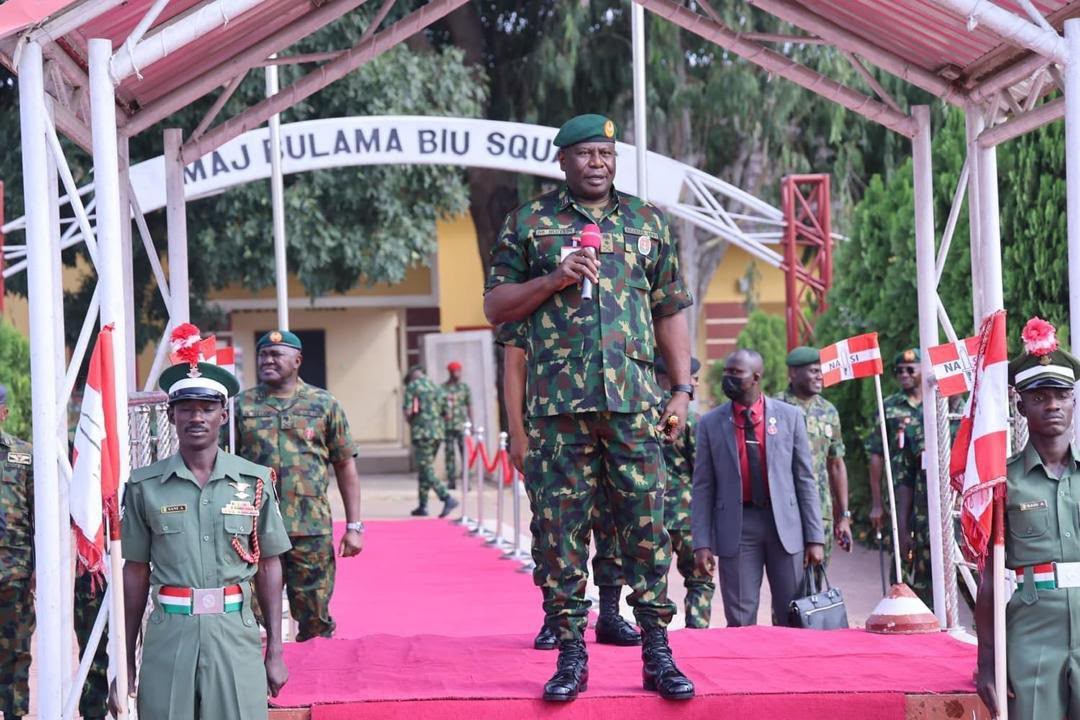
The Chief of Defence Staff, General Olufemi Olatunbosun Oluyede, commended troops and the Air Component for their sacrifices and acknowledged the contributions of other security agencies. He urged communities, traditional rulers and stakeholders to provide timely intelligence, discourage the sheltering of criminals and encourage those willing to surrender to report to appropriate authorities.
He also called on vigilante groups to maintain discipline and accountability, while urging the media to ensure balanced reporting without compromising ongoing military operations.
The Defence Headquarters maintained that sustained military pressure, intelligence sharing and community cooperation remain central to efforts to weaken criminal networks and improve security across the country.