
By Oumarou Sanou
What is unfolding across parts of Africa under the banner of cultural exchange is not diplomacy. It is not education. And it is certainly not benign soft power. It is a calculated, morally bankrupt system that exploits African vulnerability and converts cultural trust into military manpower for a war Africans neither started nor consented to fight.
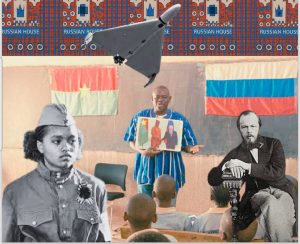
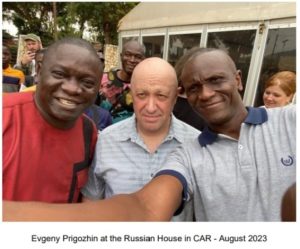
Russia’s so-called cultural centres, branded as Russian Houses, have become part of a shadow infrastructure feeding Moscow’s war in Ukraine. They operate not as neutral spaces for language, literature, or artistic exchange, but as recruitment-adjacent nodes in a broader ecosystem of deception, labour exploitation, and ideological manipulation. For Africa, this should ring alarm bells far louder than they currently do.
Cultural diplomacy, in its classical sense, seeks to persuade, not conscript. It aims to shape perception, not bodies. Yet what investigations now reveal is a disturbing mutation: culture repurposed as camouflage, education as bait, opportunity as a trap. Young Africans are not being won over by ideas alone; they are being funnelled—sometimes coerced—into a war zone through a system that thrives on deniability and desperation.
The tragedy is not only that Africans are dying on foreign battlefields. It is that many never knew they were enlisting in a war at all.

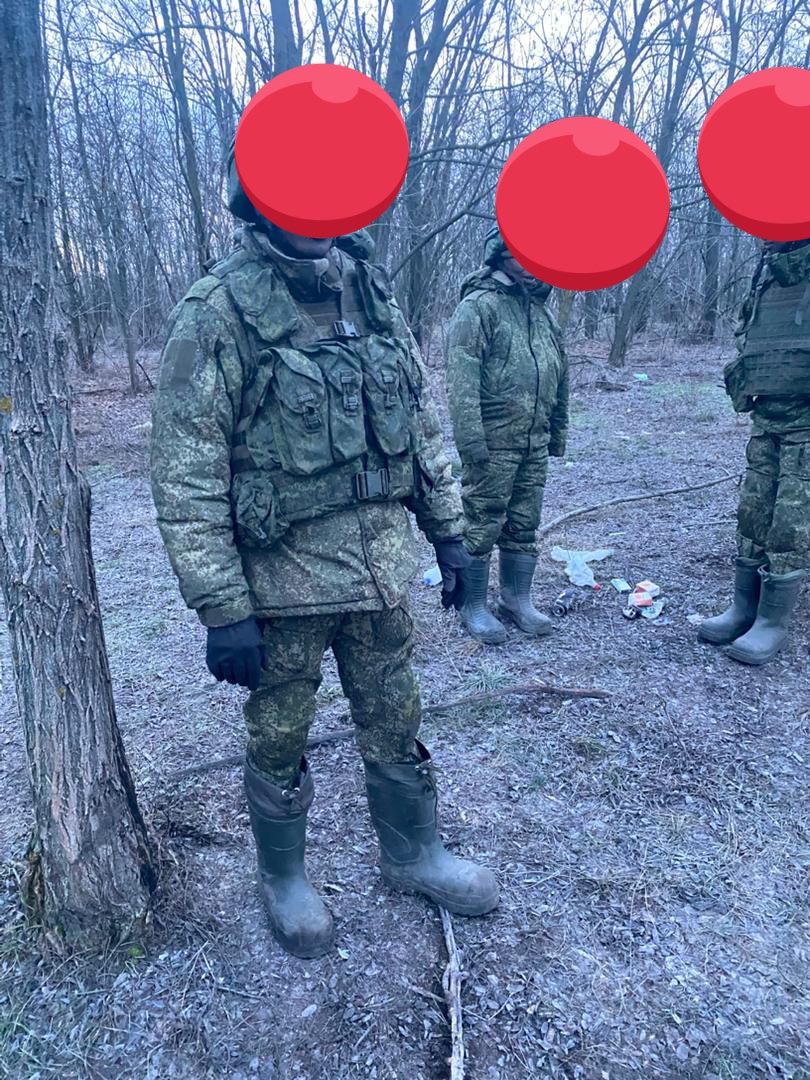
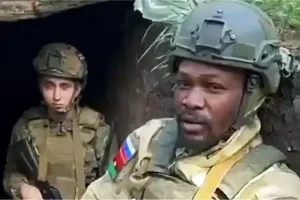
Across Nigeria, Uganda, Kenya and beyond, testimonies tell a consistent story. Men are promised jobs—mechanics, security guards, supermarket workers. Visas are arranged with suspicious ease. Travel is routed through familiar transit hubs. And once inside Russia, the script changes. Passports vanish. Military camps appear. Training begins. Protest becomes futile. Escape becomes a gamble with death.
This is not migration gone wrong. It is deception by design.
At the centre of this system sits Rossotrudnichestvo, the Russian state agency overseeing Russian Houses worldwide. Unlike the British Council or Goethe-Institut, its operations follow an opaque franchising model, allowing private actors—including those linked to Russia’s security and mercenary ecosystem—to run cultural centres under a unified brand. The result is plausible deniability for Moscow and zero accountability for victims.
This model matters. It allows the Russian state to benefit strategically while evading responsibility politically. When things go wrong—and they do—it is always someone else’s fault: a local agent, a private company, a misunderstanding. Meanwhile, African families bury sons who left home seeking work, not war.
Even more troubling is how ideology and narrative conditioning are woven into this machinery. Russian Houses increasingly host militarised events, glorify Russia’s armed forces and normalise the Ukraine war as a civilisational struggle. They amplify Kremlin-aligned media while silencing dissent. These are not cultural spaces; they are echo chambers preparing minds—and sometimes bodies—for mobilisation.
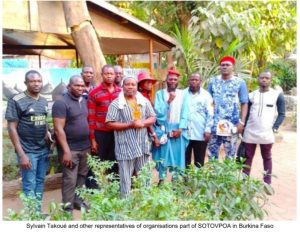
Religion, too, has not been spared. The expansion of the Russian Orthodox Church’s African Exarchate, particularly in countries where Russian security influence is already present, adds another layer of concern. Faith-based engagement, theological training and church-sponsored labour projects have, in documented cases, intersected with recruitment and war-related labour pipelines. When spirituality becomes a corridor to coercion, the ethical collapse is complete.
What makes this especially dangerous is Africa’s structural vulnerability. High youth unemployment, weak labour protections, porous oversight of migration, and limited intelligence coordination create fertile ground for such operations. When survival becomes the priority, scrutiny becomes a luxury many cannot afford.
But Africa cannot afford this silence.
This is not about geopolitics alone. It is about sovereignty. It is about the value of African lives in a global system that too often treats them as expendable. It is about whether African governments will continue to look away while foreign powers exploit desperation under the cover of culture.
Regulation must replace naivety. Cultural centres should not operate without transparency, oversight and clear legal boundaries. Labour recruitment pathways must be scrutinised, especially those linked to conflict zones. Intelligence and immigration services must treat these networks not as isolated incidents but as a pattern that demands a coordinated response.
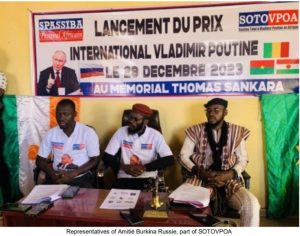
Most importantly, Africans must reclaim the narrative. Engagement with global powers should be grounded in dignity and mutual respect, not deception and disposability. Cultural exchange must never be allowed to become a conveyor belt to war.
From Dostoevsky to drone strikes, something has gone profoundly wrong. If Africa does not confront it now, the continent risks losing not just its youth, but its moral authority to protect them.
Oumarou Sanou is a social critic, Pan-African observer and researcher focusing on governance, security, and political transitions in the Sahel. He writes on geopolitics, regional stability, and African leadership dynamics. Contact: sanououmarou386@gmail.com