
Esther Oseyiomon and Chidinma Iroegbu
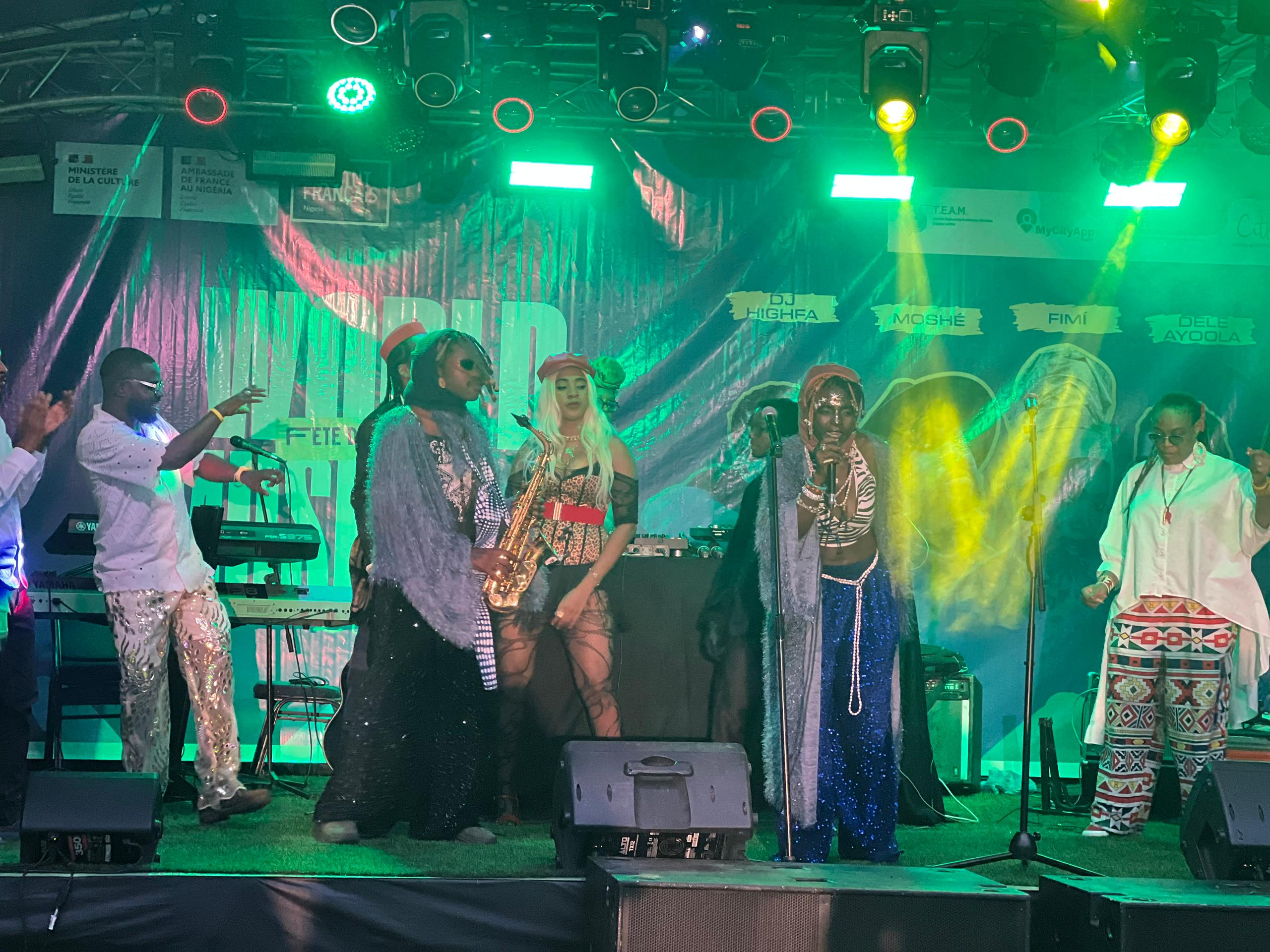
As music echoed through Team Compound in Abuja on Saturday, June 21, 2026, the World Music Day celebration quickly evolved into something bigger than entertainment. Beneath the performances and applause emerged a growing conversation about the future of Nigeria’s music industry and the urgent need to create more opportunities for live performances and emerging talents.
The gathering, organised by the French Institute as part of the global Fête de la Musique celebration, brought together artists, music lovers and cultural enthusiasts in an atmosphere that blended performance with dialogue on creativity, culture and artistic growth.
Opening the conversation, Executive Director of the French Institute, Lucille Haddad, described World Music Day as a global initiative designed to make music more accessible by encouraging artists to perform in public spaces and connect directly with communities. She explained that the celebration originated in France in 1981 and has since spread across continents.
Reflecting on Nigeria’s evolving creative landscape, Haddad said Abuja’s music culture stood out for its distinct energy and growing artistic identity.
“What I’ve seen so far in Abuja is really interesting because the vibe is very different from Lagos,” she said, adding that the presence of live performances in the city was encouraging.
Despite her optimism, she noted that Abuja still faces a shortage of dedicated live music venues, describing the gap as one of the major barriers limiting growth for performers seeking spaces to build audiences and develop professionally.
Her comments struck a chord with many of the artists present, who argued that sustaining Nigeria’s music success requires deliberate investment beyond mainstream commercial sounds.
Veteran Beninese DJ and cultural advocate, DJ Highfa, praised Nigeria’s influence on African music and highlighted the country’s evolution from earlier generations of stars to becoming one of the continent’s strongest musical exports.
According to him, initiatives that bring audiences and artists together remain important in preserving cultural identity and encouraging collaboration across borders.
Performing artist Yene described Abuja as a city gradually finding its voice in the music industry, noting that more platforms are helping emerging artists gain visibility and attract new audiences.
Singer Dele Ayoola urged stakeholders to embrace diversity in music promotion, stressing that many talented grassroots and alternative musicians continue to struggle for recognition despite the industry’s global success.
The call for stronger support was echoed by performer FIMI, who commended the French Institute for consistently opening doors for upcoming artists through live showcases and cultural events.
For performer Moshe, the event reflected the possibilities within Abuja’s growing creative community. Speaking to cheers from the audience, he praised the city’s openness to different sounds and spoke about his passion for classic R&B music, which continues to shape his artistic expression.
By the end of the night, one message stood out clearly — for Nigeria’s music industry to continue expanding, the spotlight must extend beyond chart success to include the spaces, communities and emerging talents shaping the future of sound.