
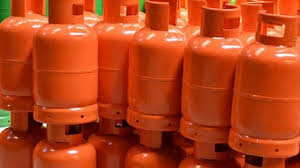
The Federal Government has stepped up efforts to address rising cooking gas prices by convening an emergency meeting with security agencies and key stakeholders in the Liquefied Petroleum Gas (LPG) sector.
The engagement, coordinated by the Federal Ministry of Petroleum Resources, brought together representatives of the Department of State Services (DSS), the Economic and Financial Crimes Commission (EFCC), the Nigeria Police Force, regulators, producers, marketers and terminal operators.
The meeting followed growing concerns over LPG hoarding, cross-border diversion and persistent supply challenges contributing to higher prices across the country.
Minister of State for Petroleum Resources (Gas), Ekperikpe Ekpo, said the Federal Government is committed to improving market conditions and ensuring that interventions translate into tangible benefits for consumers.
According to him, President Bola Tinubu has directed relevant agencies to work closely with industry operators to improve supply, strengthen distribution networks and eliminate market distortions.
Permanent Secretary of the Ministry of Petroleum Resources, Patience Oyekunle, said affordable access to cooking gas remains vital to household energy needs and Nigeria’s broader energy transition objectives.

The Authority Chief Executive of the Nigerian Midstream and Downstream Petroleum Regulatory Authority (NMDPRA), Rabiu Umar, identified high landing costs as a major contributor to current price increases but expressed optimism that ongoing reforms would help ease pressure on the market.
Presenting industry data, the Executive Director of Distribution Systems, Storage and Retailing Infrastructure at NMDPRA, Ogbugo Ukoha, highlighted infrastructure deficits, logistics bottlenecks, domestic supply limitations and global market disruptions as key challenges affecting the sector.
He disclosed that recent interventions have improved national LPG supply sufficiency from 11 days to 22 days, while average daily supply increased from 4,262 metric tonnes in May to 5,040 metric tonnes in June. Stakeholders also agreed on measures including tighter market surveillance, stronger enforcement against malpractice, expanded storage capacity, increased domestic production and enhanced collaboration to improve product availability and moderate prices.