
Esther Oseyiomon
Concerned by the rising incidence of school-related gender-based violence and the obstacles confronting survivors in seeking justice, stakeholders across the justice, education, security and civil society sectors have intensified efforts to strengthen accountability and child protection systems in schools nationwide.
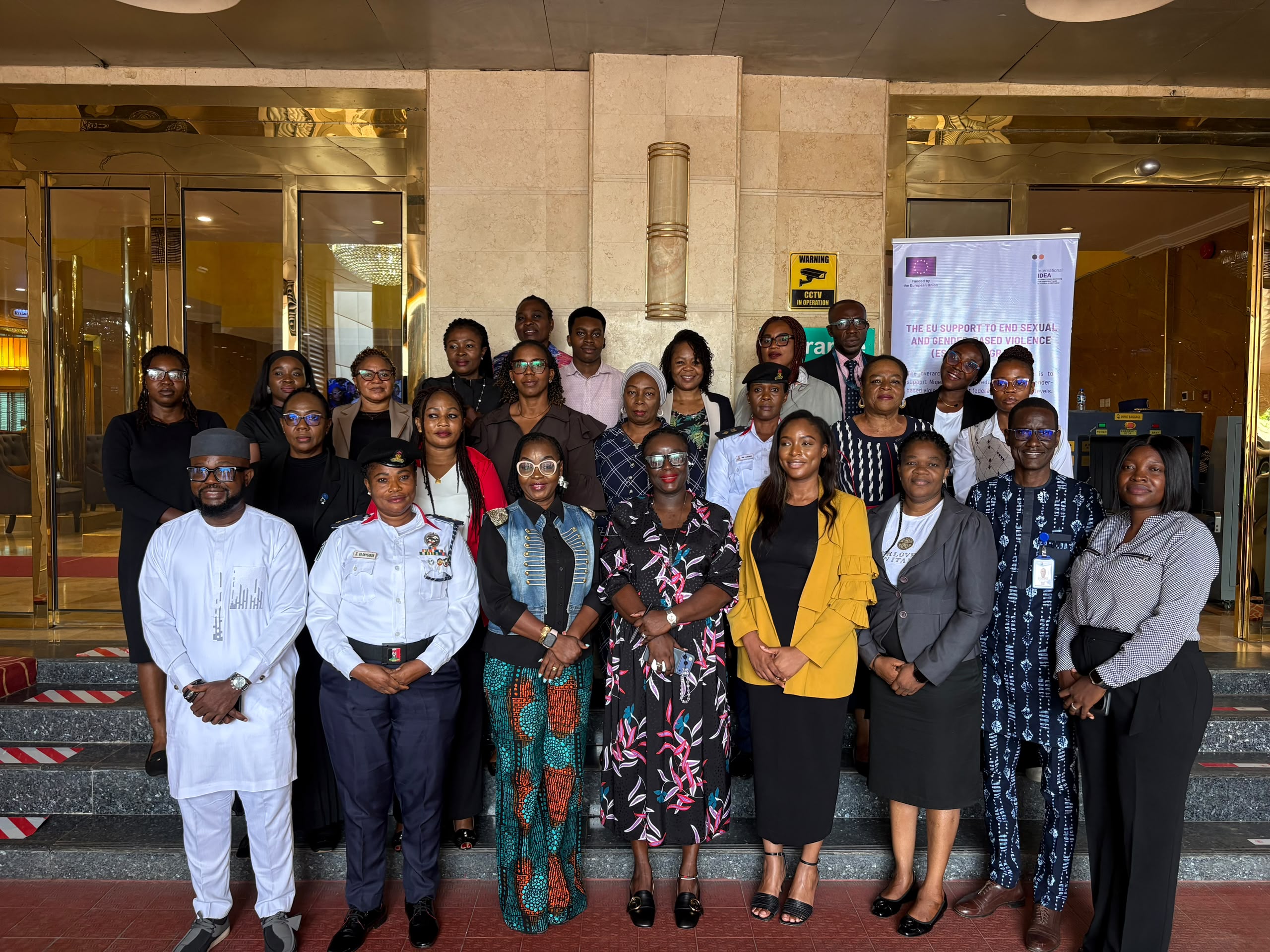
The renewed commitment came to the fore in Abuja during the First Training of Trainers Workshop on the Standard Operating Procedure (SOP) for the Legal Pathway for the Prosecution of Perpetrators of School-Related Gender-Based Violence. The programme drew participants from the Federal Ministries of Justice, Education and Women Affairs, the Nigeria Police Force, the Nigeria Security and Civil Defence Corps (NSCDC), NAPTIP, development partners and civil society organisations.
Speaking at the workshop, Gender-Based Violence Policy and Strategy Development Specialist at the International Institute for Democracy and Electoral Assistance (International IDEA), Melissa Omene, described school-related gender-based violence as a major threat to the safety, education and wellbeing of children across the country.
She noted that cases involving sexual abuse, exploitation, bullying, corporal punishment and technology-driven harassment continue to undermine learning environments and expose children to significant physical and emotional harm.
Omene disclosed that available research indicates that nearly 18 per cent of reported sexual violence cases occur within school settings, while one out of every four children experiences corporal punishment from teachers. According to her, the impact often extends beyond the classroom, affecting academic performance, emotional stability and school retention.
She explained that although relevant government institutions developed the SOP framework in 2024 to guide reporting, referrals, case management and prosecution processes, limited awareness and implementation challenges have constrained its effectiveness. The training, she added, is aimed at closing those gaps and improving institutional responses.
Highlighting broader intervention efforts, Omene referenced the European Union-funded Support to End Sexual and Gender-Based Violence in Nigeria Programme, being implemented by International IDEA between 2025 and 2029. She said the initiative seeks to strengthen legal enforcement, improve survivor support services and promote social change that discourages gender-based violence.
In her remarks, Head of the Sexual and Gender-Based Violence Response Unit at the Federal Ministry of Justice, Yewande Gbola-Awopetu, described violence in schools as one of the gravest threats facing children within educational environments. She stressed that every child has the right to learn in an atmosphere free from abuse, intimidation and fear.
Gbola-Awopetu stated that the SOP provides a practical framework for ensuring accountability and effective prosecution of offenders. She urged participants to embrace their roles as trainers and advocates who would cascade the knowledge acquired to institutions and communities across the country.
Also speaking, Assistant Director at the Federal Ministry of Education, Mrs. Apakasa Augustina, commended the growing collaboration among stakeholders tackling violence in schools. She revealed that copies of the SOP have been distributed to all 115 Federal Unity Colleges, while school principals have received sensitisation on implementation requirements and response procedures.
Executive Director of Protect the Child Foundation, Mrs. Elizabeth Ebulejonu Achimugu, said the initiative would address critical weaknesses that often emerge after incidents are reported. She noted that while many cases are first disclosed to teachers, caregivers or family members, justice is frequently delayed because first responders lack adequate knowledge of legal procedures and evidence preservation requirements.
Participants expressed confidence that stronger cooperation among schools, law enforcement agencies, justice institutions and civil society organisations would improve prosecution rates, curb impunity and foster safer learning environments for children across Nigeria.