
Chidinma Iroegbu and Esther Oseyiomon
Project Kampe Bodi has called for government hospitals to become more inclusive, insisting that healthcare reforms must reflect the needs of vulnerable groups. The call came during its first Stakeholders Roundtable Meeting held in Abuja.
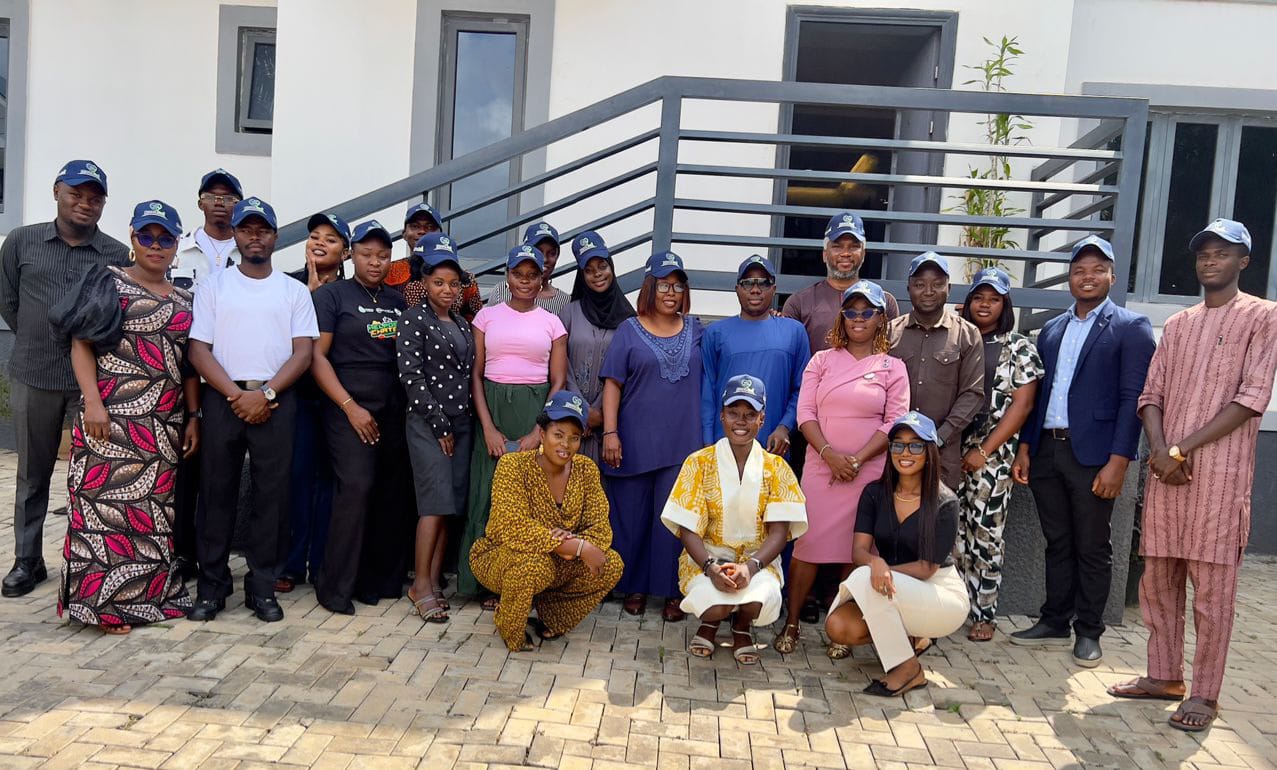
The meeting, organised with the Centre for Fiscal Transparency and Public Integrity (CEFTPI), brought together more than 30 participants, including persons with disabilities, healthcare workers, patient advocates and community representatives.
Speaking at the event, Project Kampe Bodi Coordinator, Princess Chifiero, said healthcare reforms would only succeed when vulnerable groups are actively involved. She said, “The voices of vulnerable groups are not only heard but acted upon.”
The roundtable, themed “Strengthening Service Delivery in Nigeria’s Government Hospitals,” examined ways to improve access, accountability and patient care in public health facilities.
Founder and Board Member of FACICP Disability Plus, Mrs. Ekaete Umoh, called for practical reforms, saying, “We must move from policy to practice by making hospitals truly accessible for persons with disabilities.”
Participants highlighted discrimination, poor communication, inadequate accessibility and weak support systems as major barriers to quality healthcare in government hospitals.
They recommended the mobilisation of youth health champions to strengthen public participation and improve accountability in healthcare delivery.
The stakeholders also called for effective implementation of the Patients’ Bill of Rights, disability help desks with assistive technology and accessible telemedicine services.
They further urged authorities to provide regular inclusion training for healthcare workers to improve communication, empathy and service delivery to vulnerable patients.
Project Kampe Bodi, an SPPG student-led initiative, said it would continue to promote inclusion, accountability and quality healthcare by amplifying the voices of vulnerable citizens in Nigeria’s public health system.