The coordinated jihadist assault of 25 to 26 April did not merely expose the limits of the AES and Mali’s military junta. It shattered the strategic illusion that has guided the country since its rupture with ECOWAS and the wider international community, writes Oumarou Sanou.
The events that unfolded across Mali last weekend are not merely another chapter in the Sahel’s long-running crisis. They represent something deeper: the unravelling of a strategic gamble that replaced cooperation with isolation, institutions with propaganda, and diversified partnerships with dependence on a single, unreliable and overstretched ally.
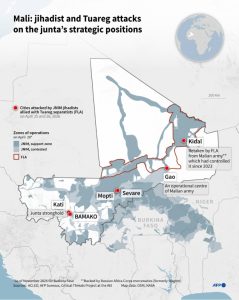
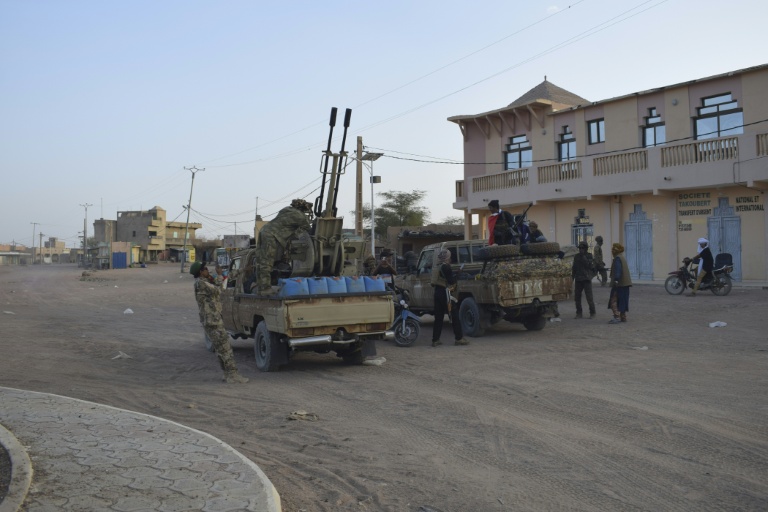
On 25 April, coordinated attacks struck Bamako, Kati, Gao, Kidal, and Sévaré simultaneously. These were not isolated incidents but a synchronised offensive that exposed both the operational reach of jihadist groups and the fragility of the Malian state’s security architecture. Within hours, official claims of control began to crumble. By Sunday morning, Kidal had fallen. The Russian flag that had flown there as a provocation to France, ECOWAS, and the UN was gone. In its place stood silence, and a column of Africa Corps mercenaries negotiating a quiet, ignominious exit with the very armed groups they were contracted to defeat. This was not a tactical setback. It was the collapse of a narrative.
For pan-African observers who foresaw and warned of precisely this outcome, the moment calls not for satisfaction but for grief, reckoning, and an honest accounting of how Mali arrived here.
Occupation Is Not Pacification
In November 2023, the Malian junta celebrated the recapture of Kidal as vindication: expel the West, distance from ECOWAS, embrace Moscow, and sovereignty would be restored. The claim was always hollow. Kidal was never pacified. It was occupied. No roads were built, no schools reopened, no trust rebuilt with local communities. Russian mercenaries committed documented atrocities in surrounding villages: summary executions, sexual violence, and burning of homes. They did not win hearts. They produced hatred. And hatred, given time and weapons, produces exactly what we witnessed last weekend.
Reports indicate that African Corps forces engaged briefly before negotiating their withdrawal, leaving Malian troops exposed nearly 1,500 kilometres from the capital. A senior Malian official told RFI that Russian forces had been warned of the impending attack three days in advance but took no action. Their eventual withdrawal, he suggested, appeared pre-arranged. That is not a security partnership. That is abandonment.
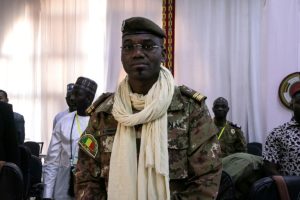
The human cost was grave. Defence Minister General Sadio Camara was confirmed dead. Intelligence chief General Modibo Koné and Chief of Defence Staff General Oumar Diarra were wounded. These are not routine battlefield losses. They are indicators of systemic failure at the highest levels of the state.
A Statement Built on Sand
The Africa Corps responded with a press statement claiming sweeping success: 10,000 to 12,000 Western-backed attackers repelled, over 1,000 enemy casualties inflicted, and the presidential palace secured. One would almost admire the audacity, were the stakes not so human.
The documented facts tell a different story. Kidal fell. The Azawad Liberation Front escorted at least 400 Russian soldiers out of the city as evacuees, northward to Tessalit, 300 kilometres away. Fighters subsequently appeared at the Intahaka gold mine, suggesting further positions had been abandoned. Armoured vehicles were destroyed in Gao. Barracks in Sévaré fell to rebel control. Helicopters burned on the ground. The United States Embassy told its citizens to stay indoors. Even reliably pro-junta social media accounts quietly changed their tone by Sunday morning. This is not propaganda written with ink. It is propaganda written with Malian blood.
Russia’s Familiar Pattern
None of this should surprise serious observers. Moscow’s track record as a security guarantor is, at best, inconsistent. It disengaged from Assad in Syria when the strategic calculus shifted. It left Maduro to manage Venezuela largely alone. It proved of limited use to Armenia when it mattered most. In every theatre, the pattern is the same: arrive with noise, project influence cheaply, and withdraw when the cost rises. Moscow is too economically constrained to underwrite African development and too strategically transactional to sustain durable commitments. It seeks presence, resources, and optics. The safety of ordinary Africans is, at best, incidental.
The Alliance of Sahel States has fared no better. Faced with Mali’s gravest crisis in years, neither Burkina Faso nor Niger mobilised meaningful support. The alliance exists more in declarations than in collective action. Its members now watch events in Bamako with undisguised anxiety: if Russia cannot hold Kidal, what assurance remains for their own positions?